

The Apollo 10 mission, launched in May 1969, was a pivotal moment in the history of space exploration. At the heart of this mission were three astronauts: Tom Stafford, John Young, and Eugene Cernan. These men were not only experienced space travelers but also pioneers who played a crucial role in paving the way for the first Moon landing.
Tom Stafford: The Commander
Thomas P. Stafford, the commander of Apollo 10, was a seasoned astronaut with a distinguished career. At 38 years
old, Stafford had already flown as pilot of Gemini 6A and command pilot of Gemini 9A. His leadership and experience were instrumental in the success of Apollo 10. Stafford's role in the mission was to oversee the entire operation, ensuring that all procedures were followed and that the mission objectives were met.
Stafford's contributions to space exploration extended beyond Apollo 10. He later became the Chief Astronaut and played a significant role in the Apollo-Soyuz Test Project, which marked the first international human spaceflight mission. Stafford's legacy is one of leadership and dedication to advancing human space exploration.
John Young: The Command Module Pilot
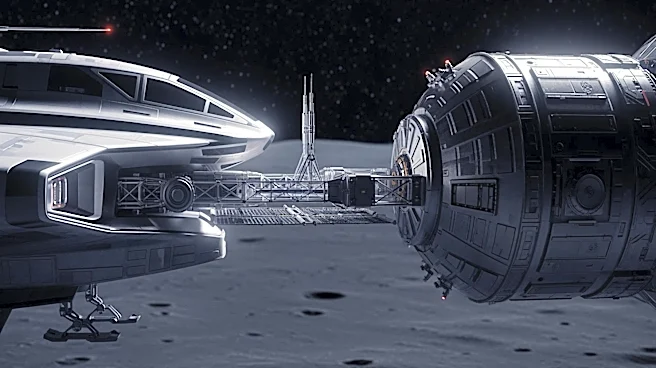
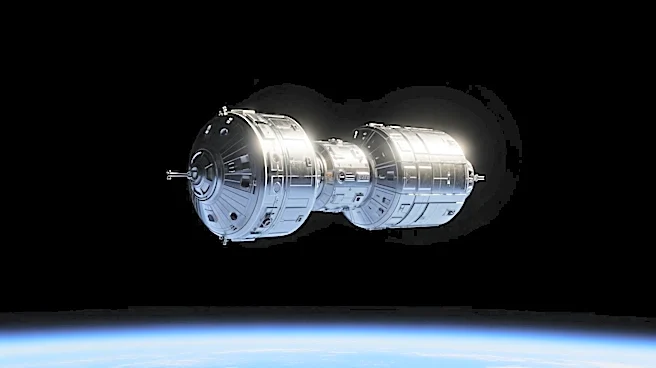
John Young, the command module pilot for Apollo 10, was another highly experienced astronaut. At the time of the mission, Young was 38 years old and had already flown in space as part of the Gemini 3 and Gemini 10 missions. His expertise as a pilot was crucial for the success of Apollo 10, particularly during the transposition, docking, and extraction maneuver, which involved separating the Command and Service Module (CSM) from the Saturn V's third stage and docking it with the Lunar Module.
Young's career in space exploration was remarkable. He went on to command the Apollo 16 lunar landing mission and later became the Chief Astronaut. Young's contributions to the Space Shuttle program, including commanding the first Space Shuttle flight, STS-1, further cemented his legacy as a pioneer in space exploration.
Eugene Cernan: The Lunar Module Pilot
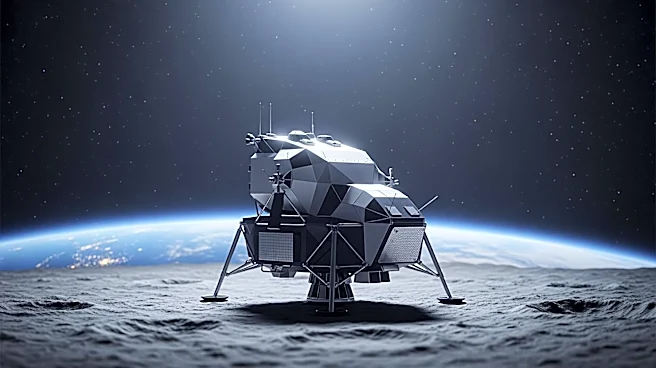
Eugene Cernan, the lunar module pilot for Apollo 10, was a 35-year-old Navy commander with a background in engineering. Cernan had previously flown with Stafford on Gemini 9A, and his experience made him an ideal candidate for the Apollo 10 mission. Cernan's role was to pilot the Lunar Module, Snoopy, during its descent to within 14.4 kilometers of the lunar surface.
Cernan's contributions to space exploration did not end with Apollo 10. He later commanded the final Apollo lunar mission, Apollo 17, becoming the last human to walk on the Moon. Cernan's legacy is one of courage and commitment to pushing the boundaries of human exploration.
Together, Stafford, Young, and Cernan formed a team of pioneers whose efforts were instrumental in the success of the Apollo program. Their contributions to space exploration continue to inspire future generations of astronauts and scientists.