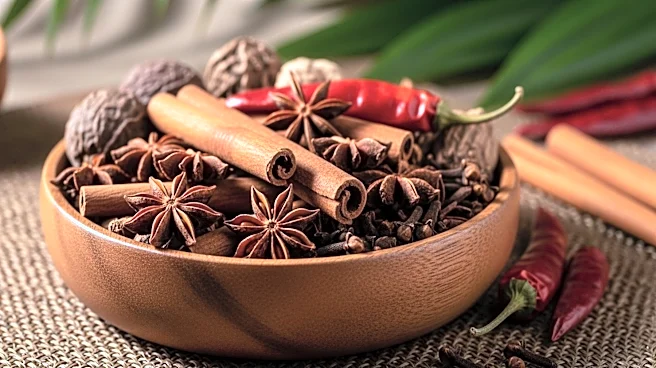

Spices are the heart and soul of Indonesian cuisine, infusing dishes with rich and complex flavors. Known as the "Spice Islands," Indonesia's Moluccas Islands have historically been a major source of spices
like cloves and nutmeg. This article delves into the significance of spices in Indonesian cooking and how they have shaped the country's culinary identity.
Historical Significance of Spices
The history of spices in Indonesia is deeply intertwined with the country's past as a hub of the global spice trade. The Moluccas Islands, also known as the Spice Islands, were highly sought after by European traders for their valuable spices. This trade brought wealth and foreign influences to Indonesia, leaving a lasting impact on its cuisine.
Spices like cloves, nutmeg, and cinnamon were not only used for culinary purposes but also for medicinal and ceremonial uses. The demand for these spices led to the establishment of trade routes and the arrival of European colonizers, who sought to control the lucrative spice trade. This historical significance of spices is still evident in Indonesian cuisine today, where they play a central role in flavoring dishes.
The Art of Spice Blending
Indonesian cuisine is renowned for its complex flavors, achieved through the artful blending of spices. Known as "bumbu," these spice mixtures are the foundation of many Indonesian dishes. Bumbu can include a variety of ingredients such as garlic, shallots, ginger, turmeric, and chili peppers, each contributing to the dish's unique taste.
The process of making bumbu often involves grinding the spices into a paste using a mortar and pestle, allowing the flavors to meld together. This paste is then used as a base for cooking, infusing the dish with its aromatic and savory qualities. The skillful use of spices is what gives Indonesian cuisine its distinctive character, with each region having its own signature spice blends.
Spices in Everyday Indonesian Dishes
Spices are an integral part of everyday Indonesian cooking, used to enhance the flavors of a wide range of dishes. Sambal, a spicy chili sauce, is a staple condiment at Indonesian tables, adding heat and depth to meals. Dishes like rendang, a slow-cooked beef curry, rely on a rich blend of spices to achieve their signature taste.
Even simple dishes like nasi goreng (fried rice) and satay are elevated by the use of spices, creating a symphony of flavors that delight the palate. The versatility of spices allows them to be used in both savory and sweet dishes, showcasing their importance in Indonesian cuisine. Whether in a humble street food stall or a high-end restaurant, spices remain at the heart of Indonesian cooking, reflecting the country's rich culinary heritage.