


Motor racing circuits are as diverse as the countries they are located in, each offering unique challenges and experiences for drivers and fans alike. From the high-speed straights of permanent circuits to the tight corners of temporary street circuits, these tracks are integral to the world of motorsport. This article explores the variety of motor racing circuits around the globe, highlighting their distinct features and the role they play in the racing community.
Permanent Circuits
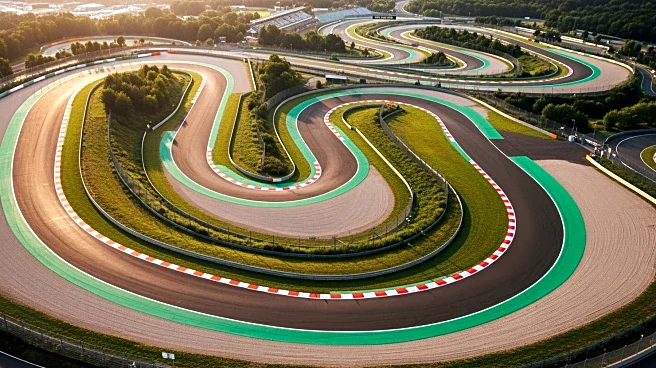
Permanent circuits are purpose-built facilities designed specifically for motor racing. These tracks are often equipped with permanent infrastructure such as grandstands, pit lanes, and garages, providing a consistent environment for racing events. Countries like Australia and Brazil boast several permanent circuits that host major racing events, including Formula One and MotoGP races. These tracks are known for their high-speed straights and challenging corners, offering a thrilling experience for both drivers and spectators.
In addition to their use in professional racing, permanent circuits often serve as venues for amateur racing and track days, allowing enthusiasts to experience the thrill of racing in a controlled environment. The presence of permanent circuits in a country can significantly boost local motorsport culture, providing a hub for racing activities and events.
Temporary Street Circuits
Temporary street circuits are unique in that they utilize public roads that are closed off for racing events. These circuits are often set up in urban areas, providing a dramatic backdrop of cityscapes and landmarks. The Monaco Grand Prix is perhaps the most famous example of a street circuit, with its narrow streets and tight corners offering a challenging race for drivers.
Street circuits are known for their unpredictability, as the track surface is not specifically designed for racing. This can lead to a lack of grip and increased difficulty for drivers, making races on these circuits particularly exciting. The temporary nature of street circuits also means that they require significant logistical planning and coordination with local authorities to ensure the safety of both drivers and spectators.
The Role of Circuits in Motorsport
Motor racing circuits play a crucial role in the world of motorsport, serving as the stage for some of the most thrilling and competitive events in the sport. They provide a platform for drivers to showcase their skills and for teams to test the limits of their vehicles. The design and layout of a circuit can greatly influence the outcome of a race, with different tracks favoring different driving styles and vehicle setups.
Beyond the races themselves, circuits contribute to the local economy by attracting tourists and creating jobs. Major racing events can draw large crowds, boosting business for local hotels, restaurants, and shops. Additionally, circuits often host a variety of events throughout the year, from car shows to music festivals, further enhancing their economic impact.
In conclusion, motor racing circuits are a vital component of the motorsport industry, each offering unique challenges and opportunities. Whether permanent or temporary, these tracks are where the excitement of racing comes to life, captivating audiences around the world.