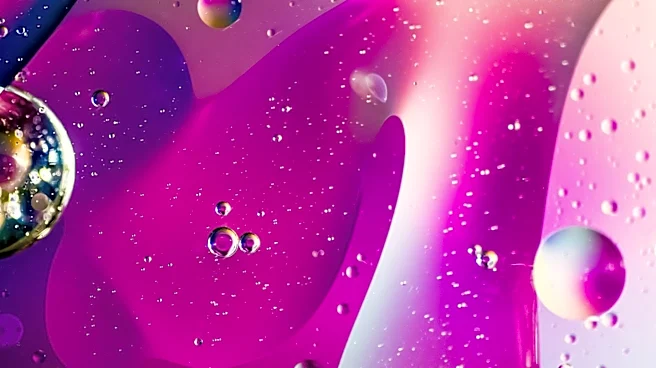










Oil-in-water emulsions are a fascinating type of mixture where oil droplets are dispersed in water, stabilized by emulsifiers. These emulsions are commonly used in various industries, including paints, adhesives, and fuels. Understanding their structure and applications can provide insight into how immiscible liquids can be effectively combined for practical uses.
Structure of Oil-in-Water Emulsions
Oil-in-water emulsions consist of tiny oil droplets dispersed throughout a continuous
water phase. The stability of these emulsions is achieved through the use of emulsifiers, which are substances that help to keep the oil droplets suspended in the water. Emulsifiers work by reducing the surface tension between the oil and water, preventing the droplets from coalescing and separating out of the mixture.
The size of the oil droplets in an emulsion can vary, but they are typically in the range of 100 nanometers to several micrometers. The smaller the droplets, the more stable the emulsion tends to be. This is because smaller droplets have a larger surface area relative to their volume, allowing the emulsifier to more effectively stabilize the interface between the oil and water.
Applications in Industry
Oil-in-water emulsions have a wide range of applications across different industries. In the paint industry, these emulsions are used to create water-based paints that are easier to apply and clean up compared to oil-based paints. The emulsified oil droplets help to evenly distribute pigments and other additives throughout the paint, resulting in a smooth and consistent finish.
In the field of adhesives, oil-in-water emulsions are used to produce water-based adhesives that are less toxic and more environmentally friendly than solvent-based adhesives. These emulsions provide strong bonding properties while being easy to apply and clean up with water.
Emulsions in Fuel Technology
The use of oil-in-water emulsions in fuel technology is another important application. Emulsified fuels, such as those used in the Orimulsion system, are designed to improve the combustion efficiency of heavy oils and bitumen. By dispersing oil droplets in water, these emulsions can reduce the viscosity of the fuel, making it easier to pump and burn more cleanly.
Emulsified fuels can also help to reduce emissions of harmful pollutants, such as nitrogen oxides and particulate matter, by promoting more complete combustion. This makes them an attractive option for industries looking to reduce their environmental impact while maintaining efficient energy production.
Overall, oil-in-water emulsions are a versatile and valuable tool in many industrial applications, offering benefits in terms of stability, efficiency, and environmental impact.