



Between 2009 and 2011, Toyota faced significant challenges due to reports of unintended acceleration in several of its vehicle models. These issues led to widespread recalls and intense scrutiny from both the public and regulatory bodies. This article delves into the mechanical and human factors that contributed to these problems, providing a comprehensive understanding of the situation.
Mechanical Factors
The primary mechanical issues identified in Toyota's unintended
acceleration cases were related to the floor mats and accelerator pedals. The initial recall in November 2009 was prompted by concerns that the driver's side floor mat could slide into the foot pedal well, causing the accelerator pedal to become trapped. This issue was significant enough to warrant the recall of approximately 3.8 million vehicles.
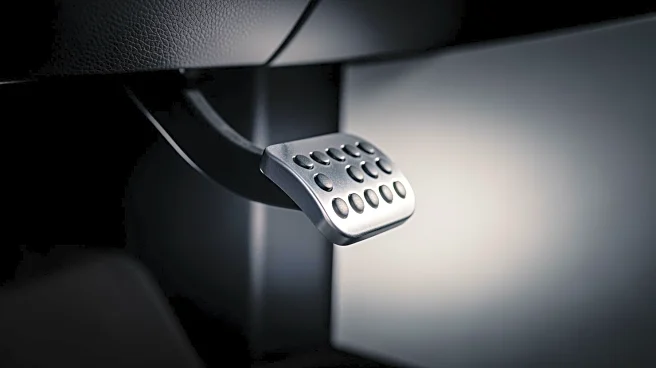
In January 2010, Toyota announced a second recall due to a different mechanical problem: the potential for the accelerator pedal to stick. This defect was identified as a mechanical sticking of the pedal, which could lead to unintended acceleration. The recall affected an additional 2.3 million vehicles, highlighting the widespread nature of the issue. Toyota's response involved reconfiguring the accelerator pedal and installing a brake override system to prevent unwanted acceleration.
Human Factors
While mechanical issues were at the forefront of the recalls, human factors also played a role in the unintended acceleration incidents. The NHTSA, in collaboration with NASA, conducted an investigation into Toyota's drive-by-wire throttle system. The findings, released in February 2011, concluded that there was no electronic defect in the vehicles. Instead, driver error or pedal misapplication was found to be responsible for most of the incidents.
Driver error, particularly pedal misapplication, occurs when a driver mistakenly presses the accelerator instead of the brake. This type of error can be exacerbated by panic or unfamiliarity with the vehicle's controls. The investigation's findings underscored the importance of driver education and awareness in preventing such incidents.
Addressing the Issues
In response to the unintended acceleration problems, Toyota implemented several measures to address both the mechanical and human factors involved. The company reconfigured the accelerator pedals and installed brake override systems in affected vehicles. These changes were designed to prevent pedal entrapment and ensure that the brakes could override the accelerator in the event of unintended acceleration.
Additionally, Toyota worked to improve its communication with customers and regulatory bodies. The company established a global quality committee to coordinate defect analysis and recall announcements, aiming to be more responsive to consumer concerns. These efforts were part of a broader initiative to restore trust in the Toyota brand and ensure the safety of its vehicles.
The unintended acceleration issues faced by Toyota between 2009 and 2011 highlight the complex interplay between mechanical and human factors in automotive safety. By addressing these issues, Toyota has taken significant steps to enhance the safety and reliability of its vehicles, reinforcing the importance of transparency and accountability in the industry.