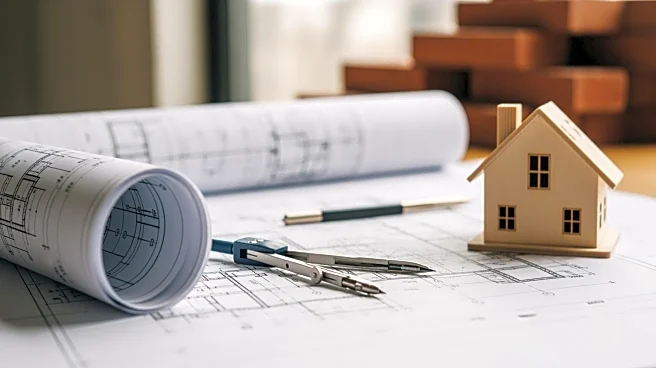

Renovating a building is a multifaceted process that involves several distinct phases, each requiring careful planning and execution. Whether it's a residential or commercial property, the renovation process is designed
to improve, restore, or modernize a structure. This article delves into the various stages of building renovations, highlighting the importance of each phase in achieving a successful outcome.
Project Initiation and Planning
The renovation process begins with project initiation, which sets the foundation for the entire endeavor. This phase involves hiring construction and design teams, defining the scope of work, and creating a budget. Communication between the client and the building team is crucial to ensure that needs, expectations, and wants are clearly understood. This initial stage is vital as it lays out the roadmap for the renovation, ensuring that all parties are aligned on the project's objectives.
Following project initiation, an existing conditions analysis is conducted. This involves measuring, drawing, and analyzing the structure to be renovated. Identifying any major issues that could affect the work is essential at this stage. This analysis helps in understanding the current state of the building and informs the subsequent design phase, ensuring that the renovation plans are feasible and practical.
Design and Finalization
Once the existing conditions are thoroughly analyzed, the initial design phase begins. This stage involves testing out concept ideas and designing multiple iterations of potential outcomes. Communication with the client is ongoing, with feedback being incorporated to refine the design. The goal is to create a design that meets the client's vision while being practical and achievable within the existing conditions.
Finalizing the design is the next critical step. This involves ensuring that the design aligns with the client's desires and works with the existing structure. Detailed specifications and engineering plans are developed, and construction or demolition work may begin while the design is being finalized. This phase is crucial as it transitions the project from planning to execution, setting the stage for the physical transformation of the building.
Construction and Project Finalization
The construction and demolition phase marks the beginning of the physical work on the building. This involves completing necessary demolitions, making structural repairs, building new designed conditions, and applying finishes. During this phase, troubleshooting any problems or unknown conditions that arise is essential to keep the project on track.
Finally, project finalization involves turning over the completed project to the client. This includes a walkthrough with the client to verify that the project scope and expectations have been met. Punch listing, or identifying any remaining tasks or corrections, is also part of this phase. Successful project finalization ensures that the renovation meets the client's needs and is ready for use.
Renovating a building is a complex process that requires careful planning, design, and execution. Each phase plays a critical role in transforming a structure into a renewed and improved space, highlighting the importance of a well-coordinated renovation effort.