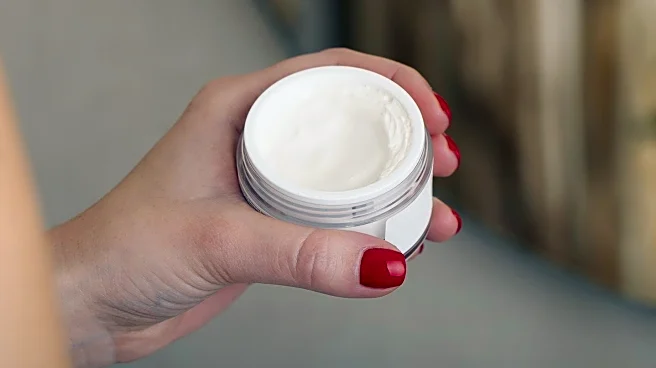

Sunscreen is a crucial component of skin care, offering protection against the harmful effects of the sun's ultraviolet (UV) rays. It is recommended for application before sun exposure and should be reapplied
regularly, especially after activities like swimming or sweating. This article delves into the integration of sunscreen into daily skin care routines and its significance in maintaining skin health.
Importance of Sunscreen
Sunscreen plays a vital role in protecting the skin from sun damage, which can lead to sunburn, premature aging, and an increased risk of skin cancer. The sun emits ultraviolet (UVA and UVB) radiation, which can cause varying degrees of sunburn and contribute to early aging by reducing skin elasticity and encouraging sagging and wrinkle formation. By applying sunscreen, individuals can shield their skin from these harmful effects.
The effectiveness of sunscreen is measured by its sun protection factor (SPF) number, which indicates its ability to protect the skin from the sun's radiation. Sunscreens are available in various forms, including creams, gels, and lotions, and are designed to suit different skin types. For instance, those with oily skin should opt for non-comedogenic sunscreens, while individuals with dry skin should choose sunscreens with moisturizers to help keep the skin hydrated.
Incorporating Sunscreen into Daily Routines
Incorporating sunscreen into daily skin care routines is essential for comprehensive skin protection. It should be applied to all areas of the skin that will be exposed to sunlight, with at least a tablespoon (25 ml) applied to each limb, the face, chest, and back to ensure thorough coverage. Many modern skin care products, such as tinted moisturizers, foundations, and primers, now contain some form of SPF, making it easier for individuals to integrate sun protection into their daily regimen.
For those with sensitive skin, it is advisable to choose unscented, hypoallergenic sunscreens and perform a spot-test in an inconspicuous area, such as the inside of the elbow or behind the ear, to ensure that the product does not irritate the skin. This careful selection and testing can help prevent adverse reactions and ensure effective sun protection.
The Broader Impact of Sunscreen
Beyond individual skin care, the use of sunscreen has broader implications for public health. By reducing the incidence of sunburn and skin cancer, sunscreen contributes to overall health and well-being. It is especially important for children and adolescents, who are encouraged to wear sunscreen daily to protect their developing skin.
In conclusion, sunscreen is an indispensable part of skin care, offering protection against the sun's harmful rays and helping to maintain healthy, youthful skin. By incorporating sunscreen into daily routines and selecting products suited to individual skin types, people can effectively safeguard their skin from sun damage.