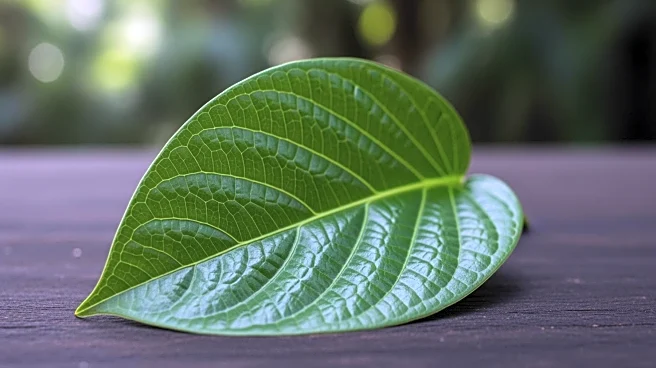




Piper plants, known for their economic and ecological importance, are a diverse group within the family Piperaceae. This article explores the botanical characteristics of Piper plants and their roles in various ecosystems. With a wide range of species, these plants are integral to the biodiversity of tropical regions.
Botanical Characteristics of Piper Plants
The genus Piper includes a vast array of species, estimated to be between 1,000 and 2,000. These plants are primarily found as shrubs,
herbs, and lianas, with some species growing as small trees. Piper plants are part of the magnoliids clade, which are angiosperms but neither monocots nor eudicots.
Piper plants are closely related to the lizardtail family, sharing similar tail-shaped inflorescences covered in tiny flowers. The diversity within the genus is remarkable, with species exhibiting a variety of growth forms and adaptations to their environments. This diversity is a testament to the evolutionary success of Piper plants.
Ecological Roles and Distribution
Piper species have a pantropical distribution, thriving in the understory of lowland tropical forests. They are often dominant species in these ecosystems, playing crucial roles in maintaining biodiversity. Some species, like the Japanese Pepper (P. kadsura), can tolerate subtropical climates and light winter frost.
The ecological interactions of Piper plants are diverse. Some species, known as 'ant pipers,' engage in mutualistic relationships with ants. The fruit of Piper plants, commonly known as peppercorns, are primarily dispersed by birds, although small mammals like bats also play a role in seed dispersal. These interactions highlight the ecological significance of Piper plants in their native habitats.
Conservation and Human Impact
Despite their ecological importance, Piper plants face threats from habitat destruction, particularly due to unsustainable logging of tropical forests. In regions like Ecuador, several species are on the brink of extinction. However, some Piper species have become invasive in areas outside their native range, demonstrating their adaptability and resilience.
Human activities have also led to the widespread distribution of certain Piper species, such as spiked pepper (P. aduncum), which is now considered invasive in some regions. The dual impact of human activity on Piper plants underscores the need for conservation efforts to protect these vital species and their ecosystems.
In conclusion, Piper plants are a diverse and ecologically significant group with a wide range of adaptations and interactions within their environments. Their conservation is crucial for maintaining the biodiversity and ecological balance of tropical regions.