



Foam rolling is a popular method for self-myofascial release, offering benefits such as increased flexibility and reduced muscle soreness. To maximize these benefits, it's essential to understand the proper techniques and best practices for foam rolling. This article provides a comprehensive guide to effective foam rolling, helping users achieve optimal results in their fitness and recovery routines.
Understanding Foam Rolling Techniques
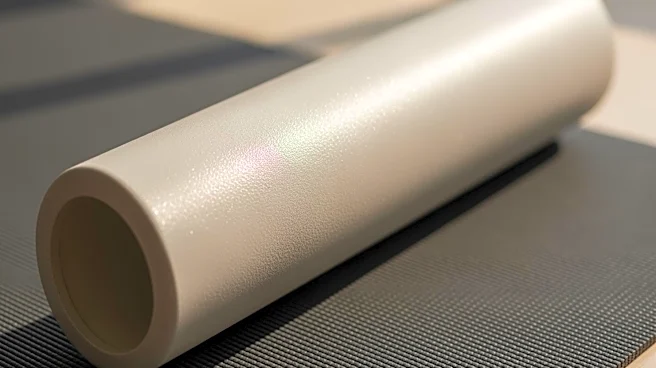
Foam rolling involves placing the roller between
the target muscle and the ground, using body weight to apply pressure while rolling back and forth. This technique helps to massage the muscles and fascia, promoting relaxation and flexibility. It's important to roll slowly and deliberately, focusing on areas of tension or discomfort.
When foam rolling, users should aim to cover the entire length of the muscle, pausing on any particularly tight spots. Applying sustained pressure to these areas can help release muscle knots and improve overall muscle function. While foam rolling can be uncomfortable, it should not be painful. Adjusting the pressure or switching to a softer roller can help alleviate discomfort.
Best Practices for Effective Foam Rolling
To achieve the best results from foam rolling, it's crucial to incorporate it into a regular fitness routine. Foam rolling can be performed before exercise as part of a warm-up, helping to prepare the muscles for activity. A 2021 meta-analysis supports the use of foam rolling as a warm-up activity, suggesting it can enhance performance.
Post-exercise foam rolling can also be beneficial, reducing muscle pain perception and aiding recovery. However, its effectiveness as a recovery tool is less pronounced compared to its role in warm-up routines. Users should aim to roll each muscle group for at least 90 seconds, as suggested by a 2019 review, to achieve short-term pain reduction.
Choosing the Right Foam Roller
Selecting the appropriate foam roller is essential for effective foam rolling. Rollers come in various sizes and degrees of firmness, with softer rollers recommended for beginners. Firmer rollers provide deeper pressure and are suitable for more experienced users. The color of the roller often indicates its firmness, helping users choose the right tool for their needs.
In summary, foam rolling is a valuable technique for enhancing flexibility and reducing muscle soreness. By understanding the proper techniques and best practices, users can optimize their foam rolling routine and achieve better results in their fitness and recovery efforts.