



Face powder has been a staple in cosmetic routines for centuries, evolving significantly from its ancient origins to the diverse product we know today. Initially used in ancient Egypt, face powder served both aesthetic and practical purposes, promising eternal beauty in the afterlife. Over time, its use spread across cultures, adapting to changing beauty standards and technological advancements. This article traces the fascinating journey of face powder through
history, highlighting key developments and cultural shifts.
Ancient Beginnings
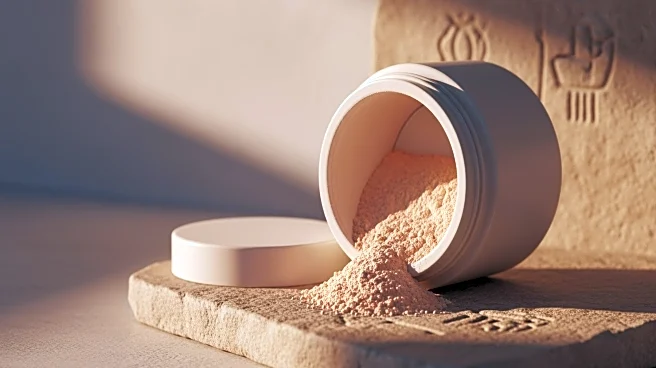
The use of face powder can be traced back to ancient Egypt, where it was a common cosmetic among both men and women. Archaeological findings reveal that Egyptians used lead fibers in their face powders, stored in stone containers found in graves. This practice was believed to ensure eternal beauty in the afterlife. The influence of Greek queen Cleopatra further shaped Egyptian beauty standards, inspiring the use of green and blue powders for eye makeup.
Face powder in ancient Egypt was not only a cosmetic but also had medicinal purposes, protecting users from illness. The use of red ochre as a powdered blush was prevalent, adding color to the cheeks. This early form of face powder laid the foundation for its widespread use in other cultures, including Greece and Rome.
Cultural Expansion
As face powder traveled across the Mediterranean, it influenced cosmetic practices in ancient Greece. Greek women used cinnabar as a powdered rouge and white lead to brighten their complexion, reflecting social ideas about race superiority and gender roles. A pale complexion was associated with high status, as it indicated a life of leisure away from the sun.
In Rome, face powder was integral to expressing femininity and social status. Roman women desired a pale complexion, using cerussa—a mix of white lead shavings and vinegar—to achieve this look. The use of face powder in Rome was documented by poets like Ovid, who praised fair skin as a beauty ideal. Despite the known toxicity of lead, its use persisted due to the cultural significance attached to a pale complexion.
Modern Transformations
The 20th century saw significant changes in the use and perception of face powder. During the Edwardian era, makeup became a tool to enhance natural beauty, with light face powder applied daily. The rise of Hollywood in the 1920s shifted the association of powdered faces from upper-class women to movie stars and socialites.
By the 1930s, health concerns about lead-based powders led to regulatory changes, with the Food, Drugs, and Cosmetics Act of 1938 ensuring safer ingredients. The post-war era saw the cosmetic industry flourish, with innovations like Max Factor's Crème Puff offering multipurpose face powders. Today, face powder is available in various forms, catering to diverse skin tones and types, reflecting the ongoing evolution of beauty standards.