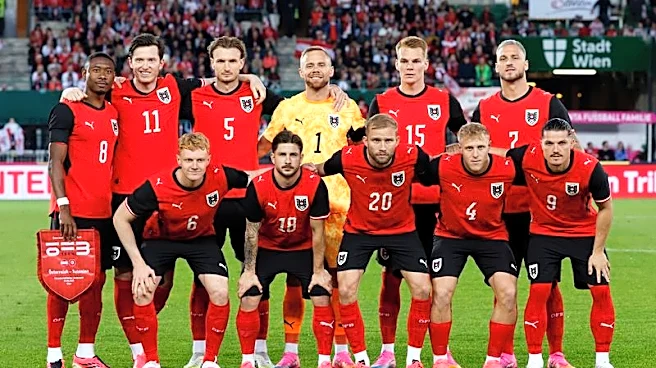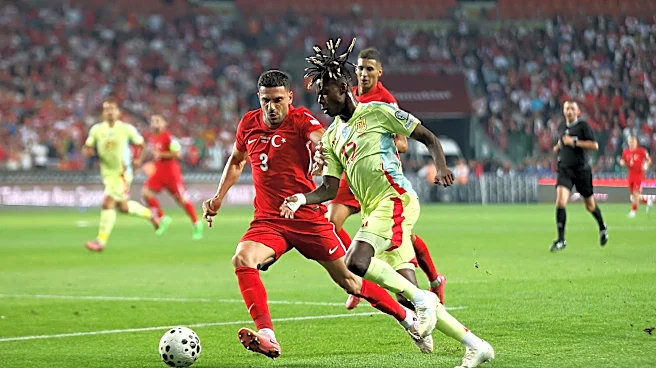

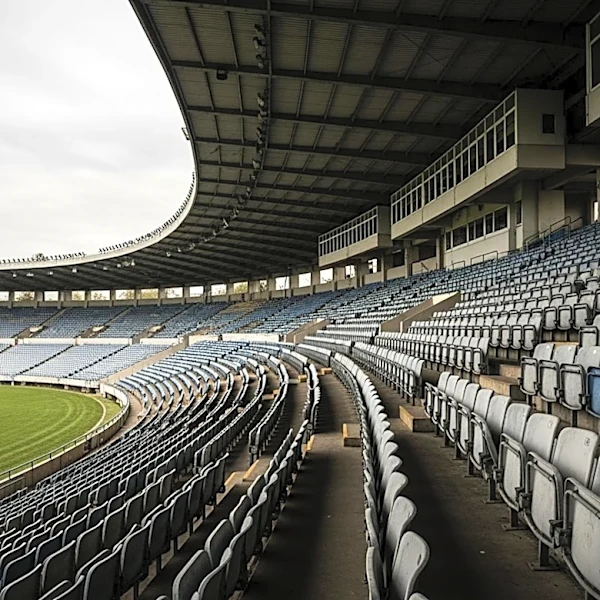


The 1982 FIFA World Cup in Spain is remembered for one of the most controversial matches in the tournament's history, involving Austria and West Germany. This match, played in Gijón, has been dubbed the "Disgrace of Gijón" due to the perceived lack of competitive spirit and sportsmanship. This article delves into the events of that day and the aftermath that followed.
The Match Setup and Outcome
Austria and West Germany were drawn into Group 2, alongside Algeria and Chile. As
the group stage progressed, Algeria had already played their final match, defeating Chile and putting themselves in a strong position to advance. Austria and West Germany faced each other in the final group match, with both teams aware that a specific result would see them both progress at Algeria's expense.
The match began with West Germany scoring an early goal. Following this, both teams appeared to play with minimal effort, seemingly content with the 1-0 scoreline that would ensure their mutual advancement. The lack of competitive play was evident, with both teams making little attempt to attack or change the scoreline. This led to widespread outrage among fans and commentators, who accused both teams of collusion.
Reactions and Consequences
The reaction to the match was swift and severe. Algerian fans and Spanish spectators expressed their anger at the perceived manipulation of the game. The media in both Germany and Austria condemned the tactics employed by the teams, with German commentators apologizing to viewers for the lackluster display.
The match's outcome had significant repercussions. It prompted FIFA to change the format of future World Cup tournaments, ensuring that the final group stage matches would be played simultaneously to prevent similar situations. This change aimed to preserve the integrity of the competition and ensure fair play.
Legacy and Reflection
The "Disgrace of Gijón" remains a controversial chapter in World Cup history. It serves as a reminder of the importance of sportsmanship and the spirit of competition. While both Austria and West Germany advanced to the next round, the match left a lasting stain on their reputations.
In the years since, the incident has been revisited in discussions about fair play and the ethics of competitive sports. It highlights the challenges of balancing strategic play with the expectations of fans and the integrity of the game. The changes implemented by FIFA in response to this match continue to influence the structure of international tournaments today.