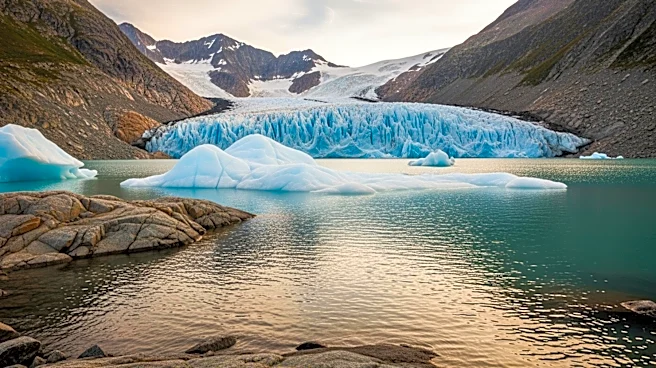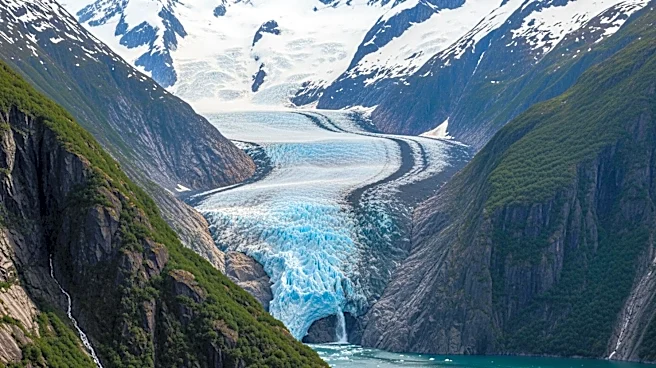






Glacier Bay National Park and Preserve, located in Southeast Alaska, is a testament to the dynamic forces of nature and the foresight of conservation efforts. Established as a national monument in 1925 and later expanded into a national park and preserve in 1980, this area has a rich history of geological and ecological significance. The park's evolution reflects the changing attitudes towards conservation and the importance of preserving natural
landscapes for future generations.
Early Beginnings and Monument Designation
The story of Glacier Bay begins with its initial designation as a national monument. On February 26, 1925, President Calvin Coolidge proclaimed the area around Glacier Bay a national monument under the Antiquities Act. This early recognition was driven by the area's unique geological features, including its tidewater glaciers and the surrounding mountainous landscape. The monument status aimed to protect these natural wonders from exploitation and to preserve them for scientific study and public enjoyment.
The initial designation was relatively modest in scope, focusing primarily on the glaciers and the immediate surrounding areas. However, the significance of Glacier Bay's natural features soon became apparent to scientists and conservationists. The rapid retreat of the glaciers, which had been documented since the late 18th century, provided a unique opportunity to study glacial dynamics and the resulting ecological succession. This scientific interest laid the groundwork for future expansions and the eventual establishment of the national park.
Expansion and National Park Status
The expansion of Glacier Bay's protected status was a gradual process, influenced by both scientific discoveries and changing conservation priorities. In 1978, President Jimmy Carter expanded the monument significantly, adding 523,000 acres to its boundaries. This expansion was part of a broader effort to protect Alaska's unique landscapes and was a precursor to the Alaska National Interest Lands Conservation Act (ANILCA) of 1980.
ANILCA was a landmark piece of legislation that transformed Glacier Bay from a national monument into a national park and preserve. This act not only expanded the park's boundaries but also established the preserve to the northwest, protecting the Alsek River and its surrounding habitats. The creation of the national park and preserve was a significant milestone in the history of American conservation, reflecting a growing recognition of the need to protect large, interconnected ecosystems.
The park and preserve now cover over 3 million acres, with a significant portion designated as wilderness. This designation ensures that the area remains largely untouched by human development, allowing natural processes to continue unimpeded. The park's status as a UNESCO World Heritage Site further underscores its global significance and the importance of preserving its unique landscapes.
Modern Conservation Efforts and Challenges
Today, Glacier Bay National Park and Preserve is managed by the National Park Service, which works to balance conservation with public access and enjoyment. The park receives hundreds of thousands of visitors each year, many of whom arrive via cruise ships. These visitors have the opportunity to witness the park's stunning glaciers, diverse wildlife, and pristine landscapes.
However, managing such a vast and remote area presents unique challenges. The park's ecosystems are sensitive to climate change, with many glaciers continuing to retreat. This ongoing glacial retreat provides valuable insights into the impacts of climate change, but it also poses challenges for park management. Efforts to monitor and mitigate these impacts are a key focus of the park's conservation strategy.
In addition to environmental challenges, the park also works to incorporate the cultural heritage of the Tlingit people, who have long inhabited the region. Collaborative efforts with local Native American organizations aim to preserve and celebrate the cultural significance of the area, ensuring that the park's history is inclusive of all its inhabitants.
Glacier Bay National Park and Preserve stands as a testament to the power of nature and the importance of conservation. Its history of expansion and protection reflects a broader commitment to preserving the natural world for future generations. As the park continues to evolve, it remains a vital resource for scientific study, cultural heritage, and public enjoyment.