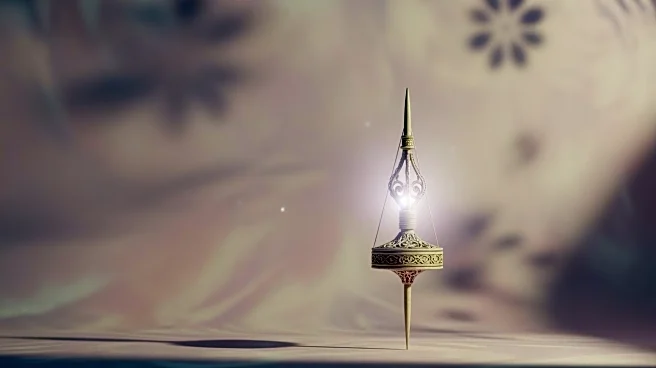

Since its release in 1959, Disney's Sleeping Beauty has become a cultural icon, influencing countless works of art and media. Despite its initial mixed reviews, the film's unique art style, memorable characters,
and timeless story have cemented its place in popular culture. This article explores the cultural impact of Sleeping Beauty and its enduring legacy.
A Timeless Fairy Tale
Sleeping Beauty is based on Charles Perrault's classic fairy tale, which has been adapted and retold in various forms throughout history. Disney's version of the story introduced audiences to Princess Aurora, the evil fairy Maleficent, and the heroic Prince Phillip. These characters have become synonymous with the Sleeping Beauty tale, and their influence can be seen in numerous adaptations and reinterpretations.
The film's release marked a significant moment in Disney's history, as it was the studio's most expensive animated feature at the time. Despite its initial box-office failure, Sleeping Beauty has since become one of Disney's most artistically acclaimed films. Its re-releases have been successful, and it was selected for preservation in the United States Library of Congress' National Film Registry in 2019, recognizing its cultural, historical, and aesthetic significance.
Influence on Later Media
The impact of Sleeping Beauty extends beyond its initial release, as it has inspired a wide range of media and adaptations. The film's characters, particularly Maleficent, have become iconic figures in the Disney canon. Maleficent's popularity led to the creation of a live-action reimagining of the film from her perspective, released in 2014, followed by a sequel in 2019. These films have introduced the story to new generations and expanded the Sleeping Beauty universe.
In addition to film adaptations, Sleeping Beauty has influenced other forms of media, including television, literature, and video games. The characters and story have appeared in various Disney television series, such as House of Mouse and Sofia the First, as well as in the Kingdom Hearts video game series. These appearances have helped to keep the story alive and relevant in contemporary culture.
A Lasting Legacy
The cultural impact of Sleeping Beauty is evident in its continued presence in popular culture. The film's art style, developed by Eyvind Earle, has inspired future Disney projects and influenced the design of later animated films, such as Pocahontas and Frozen. The film's music, based on Pyotr Tchaikovsky's ballet, has also become iconic, with the song "Once Upon a Dream" remaining a beloved classic.
Sleeping Beauty's legacy is a testament to the power of storytelling and the enduring appeal of fairy tales. The film's influence can be seen in the countless adaptations and reinterpretations that have followed, ensuring that the story of Sleeping Beauty will continue to captivate audiences for generations to come.