





Isle Royale, a remote island in Lake Superior, is a living laboratory for ecologists and wildlife enthusiasts. The island's unique ecological dynamics, shaped by its isolation and diverse habitats, offer a fascinating glimpse into the natural world. This article explores the island's ecosystems, the famous predator-prey relationship between moose and wolves, and the diverse wildlife that calls Isle Royale home.
Diverse Habitats and Flora
Isle Royale's landscape is a mosaic of
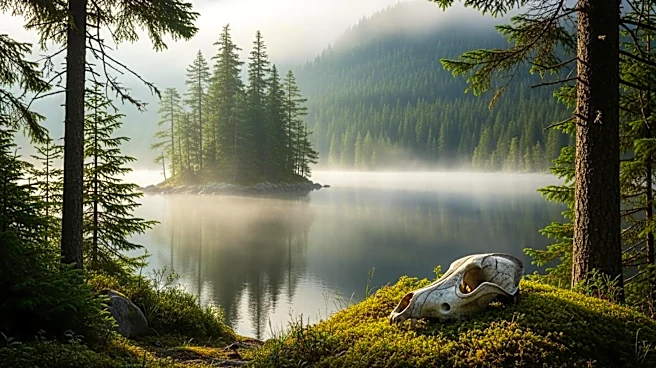
diverse habitats, including boreal forests, marshes, and inland lakes. The island's thin topsoil supports a variety of tree species, such as balsam fir, white spruce, and black spruce. These trees, with their horizontal root patterns, are well-adapted to the island's challenging conditions.
The island's climate is heavily influenced by the cold waters of Lake Superior, creating a unique environment for both plant and animal life. The boreal forest, similar to those found in neighboring Ontario and Minnesota, is the primary habitat on the island. Occasional marshes, often the result of beaver activity, add to the island's ecological diversity.
The Moose and Wolf Dynamic
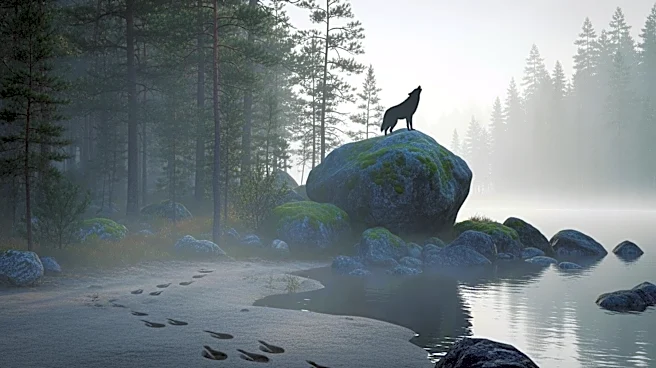
Isle Royale is renowned for its long-term study of the predator-prey relationship between moose and wolves. This study, initiated in 1958, has provided valuable insights into the dynamics of these species. Historically, neither moose nor wolves inhabited the island, but they have since become integral to its ecosystem.
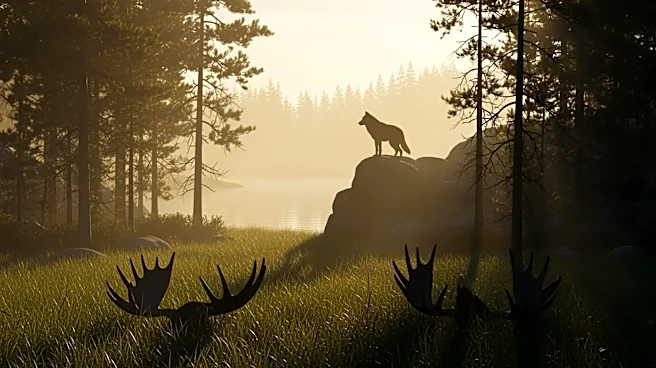
The relationship between moose and wolves is cyclical: as the moose population increases, so does the wolf population. Eventually, the wolves reduce the moose numbers, leading to a decline in their own population due to starvation. This natural cycle has been a subject of scientific interest and has contributed to our understanding of predator-prey interactions.
Other Wildlife and Ecological Studies
In addition to moose and wolves, Isle Royale is home to a variety of other mammals, including red foxes, beavers, and red squirrels. The island's isolation has allowed these species to thrive in a relatively undisturbed environment. The presence of snowshoe hares, mink, and muskrats further enriches the island's biodiversity.
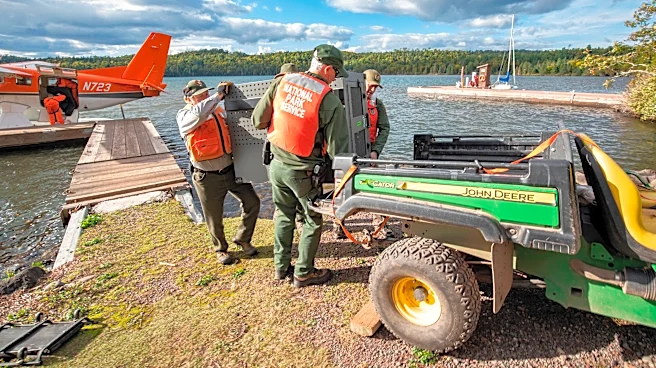
The island's unique ecology has made it a focal point for scientific research and ecological studies. Researchers continue to study the island's ecosystems, contributing to our understanding of natural processes and conservation efforts. Isle Royale's status as a national park ensures the protection of its ecological integrity, allowing future generations to appreciate its natural wonders.