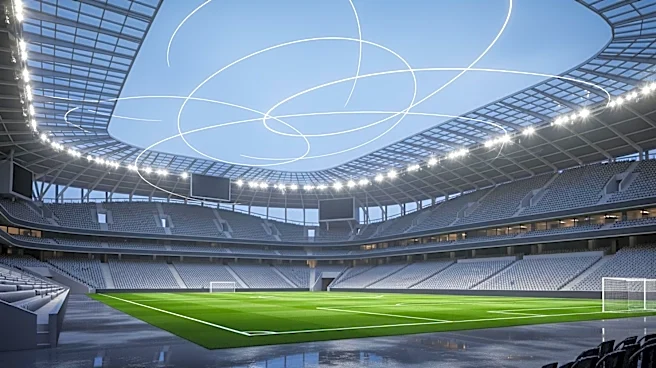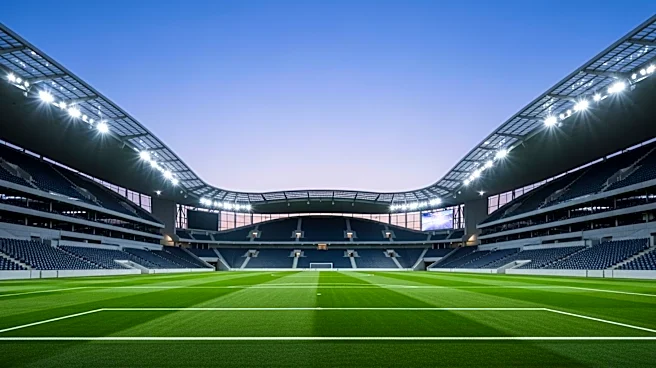



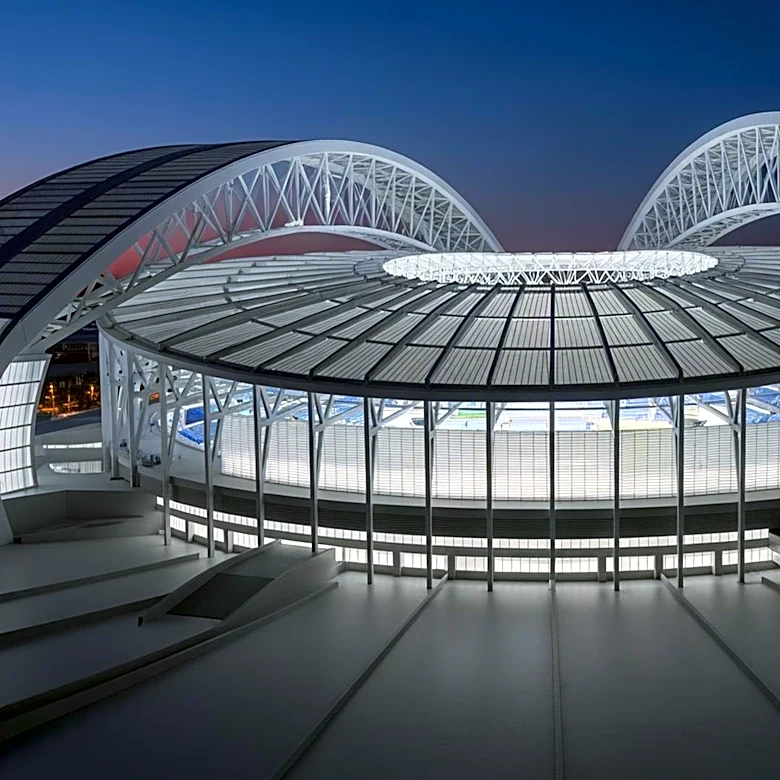
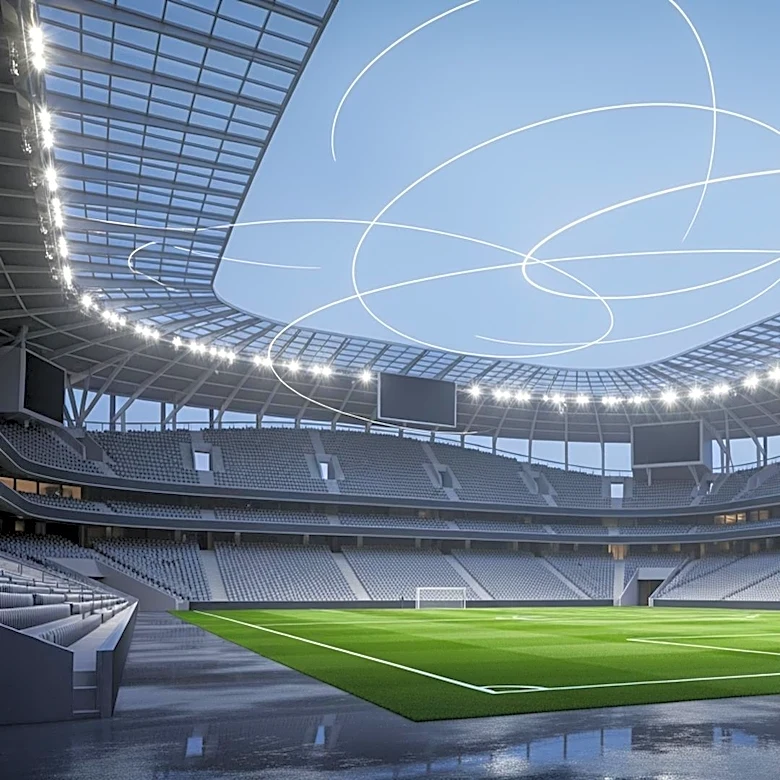
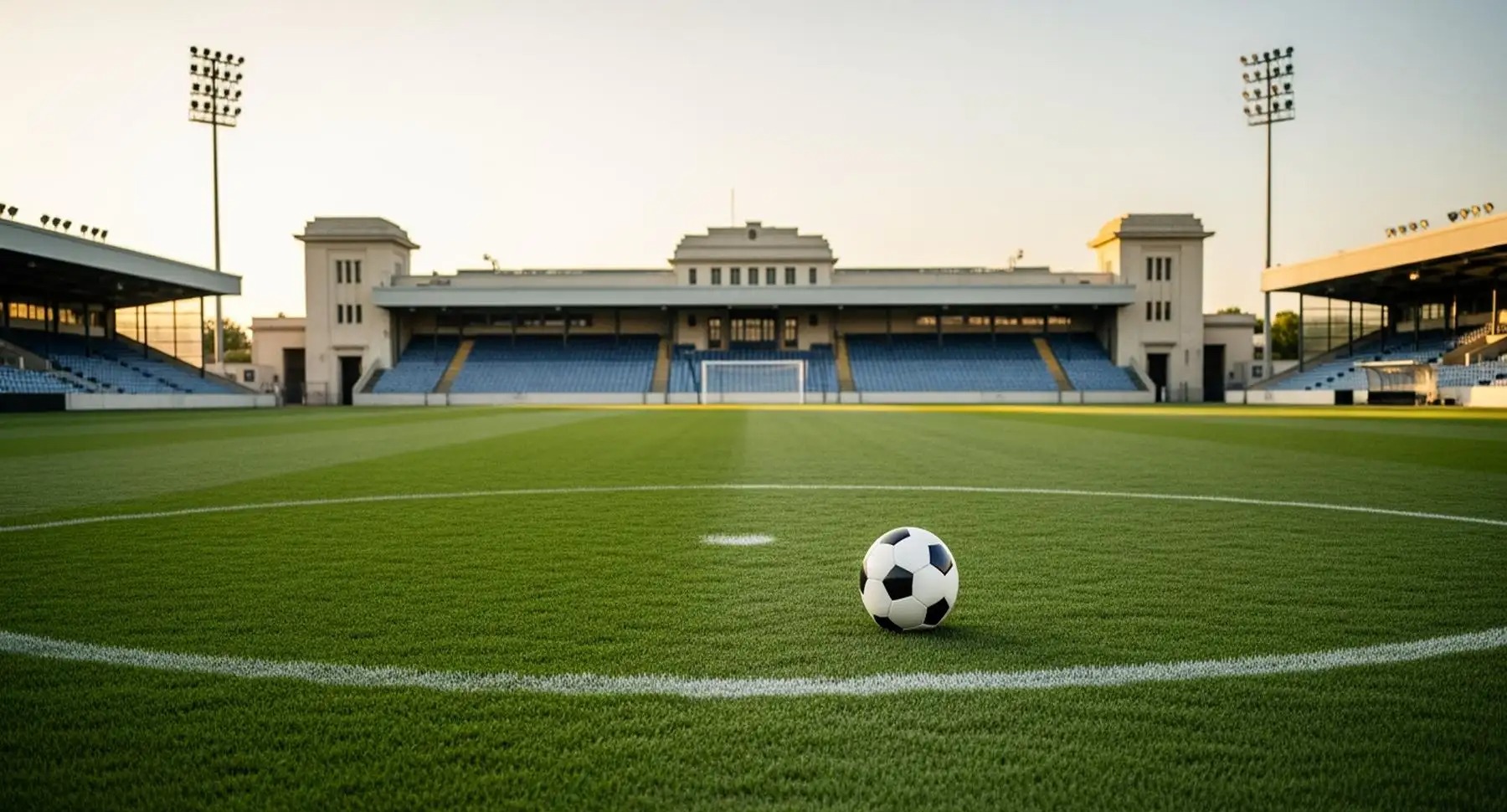
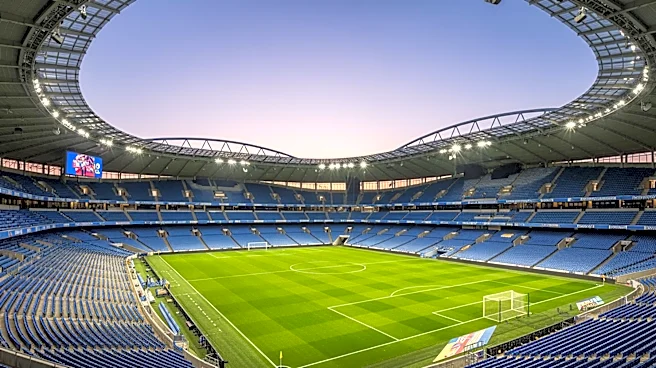
Arena Corinthians, also known as Neo Química Arena, stands as a testament to the ambition and determination of the Corinthians football club. Located in São Paulo, Brazil, this stadium has become a significant landmark in the world of sports. The journey from its conception to its grand opening in 2014 is a story of vision, challenges, and triumphs.
Early Plans and Challenges
The idea of building a new stadium for Corinthians dates back to the late 1970s. At that time, the club's
existing facilities were inadequate for its growing fan base. The Alfredo Schürig Stadium, also known as Parque São Jorge, could hold fewer than 14,000 people, prompting the need for a larger venue. In 1978, the club's president, Vicente Matheus, secured a 90-year concession for a 197,000 square meter property in the Itaquera region of São Paulo. Despite this promising start, financial constraints delayed the project for decades.
Throughout the 1980s and 1990s, various plans were proposed, including the possibility of renovating existing stadiums or building a new one in different locations. However, none of these plans materialized due to a lack of funding. It wasn't until 2010 that the project gained momentum, with an estimated cost of R$335 million and a vision to create a world-class stadium.
Construction and World Cup Preparations
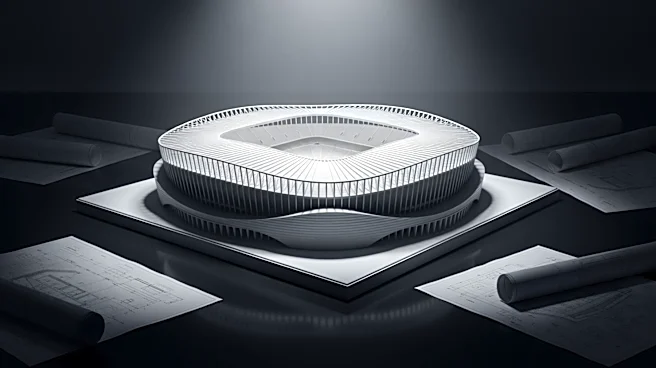
The construction of Arena Corinthians officially began in 2010, with the main architect Aníbal Coutinho leading the project. The stadium was designed to accommodate 48,905 spectators, making it the fifth-largest in the Brazilian League. As the 2014 FIFA World Cup approached, the stadium was selected to host the opening match, necessitating modifications to meet FIFA's requirements. This included adding temporary seats to increase capacity to 65,000 for the tournament.
The construction process faced several challenges, including financial hurdles and the need to meet strict deadlines. Despite these obstacles, the stadium was delivered to Corinthians in April 2014, just in time for the World Cup. The opening match between Brazil and Croatia marked a significant milestone in the stadium's history.
Legacy and Impact
Since its opening, Arena Corinthians has become a symbol of pride for the club and its supporters. It has hosted numerous national and international events, including the 2016 Summer Olympics and the 2019 Copa América. The stadium's modern design and state-of-the-art facilities have made it a premier destination for sports and entertainment in Brazil.
The journey of Arena Corinthians from a long-held dream to a reality is a testament to the perseverance and dedication of the Corinthians community. It stands as a beacon of hope and achievement, inspiring future generations of fans and athletes alike.