





Filipino cuisine is renowned for its bold flavors and unique combinations, largely due to the diverse array of native ingredients that define its culinary traditions. From tropical fruits to indigenous spices, these ingredients play a crucial role in creating the distinct taste profiles that characterize Filipino dishes. This article explores some of the key native ingredients that are integral to Filipino cooking.
Tropical Fruits and Their Uses
The Philippines is blessed with a
tropical climate that supports the growth of a wide variety of fruits, many of which are staples in Filipino cuisine. Calamansi, a small citrus fruit, is a ubiquitous ingredient used to add a tangy flavor to dishes and beverages. Its juice is often used as a marinade or a condiment, providing a refreshing sourness that balances the richness of many Filipino dishes.
Another notable fruit is the tabon-tabon, which is used as an anti-bacterial ingredient in traditional kinilaw dishes. This tropical fruit is not only valued for its culinary uses but also for its health benefits. The versatility of these fruits allows them to be used in both savory and sweet dishes, showcasing the adaptability of Filipino cuisine.
Indigenous Spices and Seasonings
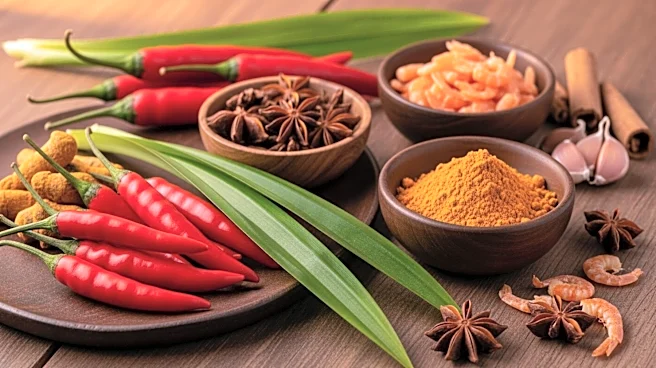
Filipino cuisine is characterized by its use of indigenous spices and seasonings that enhance the flavors of dishes. Ginger, lemongrass, and pandan are commonly used to add depth and aroma to soups and stews. These spices are often combined with coconut milk to create rich, flavorful sauces that are a hallmark of Filipino cooking.
Vinegar is another essential ingredient in Filipino cuisine, used not only for its preservative qualities but also for its ability to add a distinct sourness to dishes. Adobo, one of the most popular Filipino dishes, relies on vinegar as a key component of its marinade, resulting in a savory and tangy flavor profile that is beloved by many.
The Role of Rice and Coconut
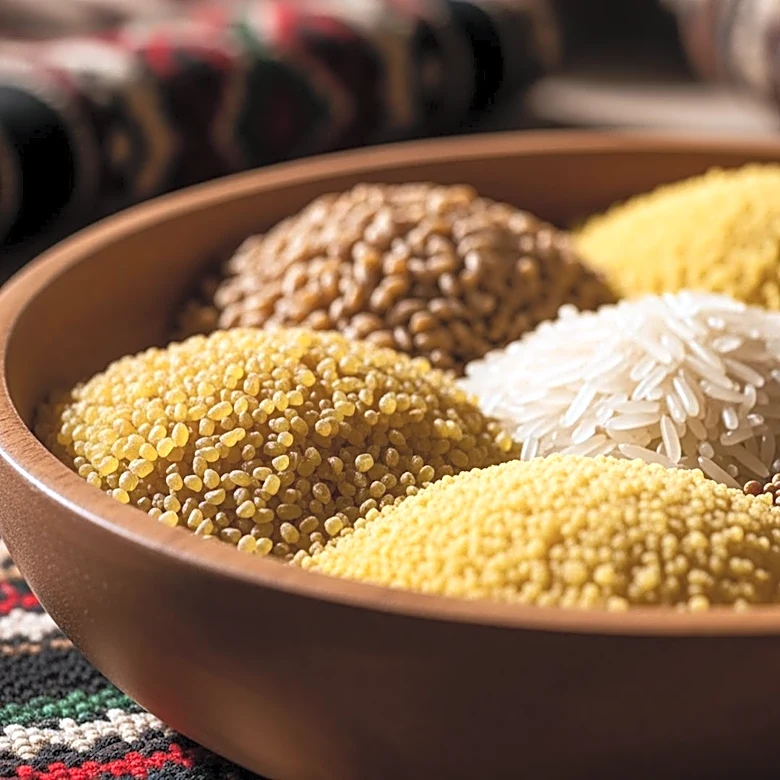
Rice is a staple in Filipino cuisine, serving as the foundation for many meals. It is often paired with a variety of dishes, from simple fried fish to elaborate stews. The importance of rice in Filipino culture is reflected in the numerous rice-based delicacies that are enjoyed during special occasions and celebrations.
Coconut is another vital ingredient, used in various forms such as coconut milk, coconut oil, and grated coconut. It is a key component in many traditional dishes, adding a creamy texture and subtle sweetness that complements the bold flavors of Filipino cuisine.
In summary, the unique ingredients of Filipino cuisine are integral to its identity, providing the flavors and aromas that make it distinct. These native ingredients not only define the taste of Filipino dishes but also reflect the rich biodiversity and cultural heritage of the Philippines.