









Retroactive interference is a key concept in memory research, describing how new information can disrupt the recall of older memories. This phenomenon has significant implications for understanding how memory works and the challenges it faces. By examining the mechanisms behind retroactive interference, we can gain insights into the complexities of human cognition.
Mechanisms of Retroactive Interference
Retroactive interference occurs when new learning interferes with the retrieval of previously
learned information. Georg Elias Müller, a prominent figure in experimental psychology, formulated and tested this theory through systematic experiments. Müller and his student Alfons Pilzecker demonstrated retroactive interference by showing that distractions, such as describing landscape paintings, made it harder for participants to recall previously memorized syllables.
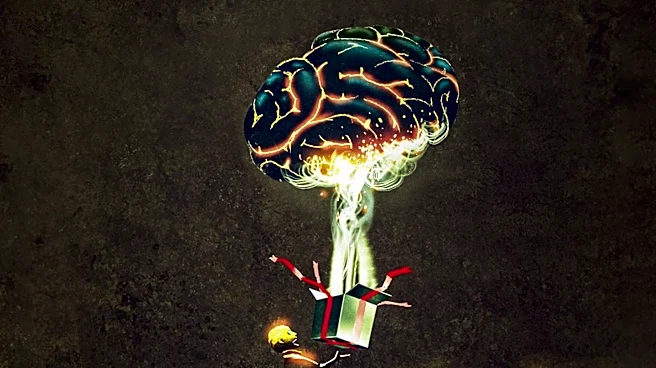
The mechanism behind retroactive interference involves the competition between new and old memories. When new information is learned, it can become more accessible and dominant, overshadowing older memories. This competition can lead to the forgetting of previously learned material, as the new information takes precedence in the retrieval process. Müller's experiments provided empirical evidence for this mechanism, highlighting the dynamic nature of memory.
Implications for Memory Research
Understanding retroactive interference has important implications for memory research. It sheds light on the challenges associated with retaining information over time and the factors that can influence memory recall. The theory has been applied in various contexts, from educational settings to understanding memory-related disorders.
In educational settings, retroactive interference can affect how students retain and recall information. Teachers and educators can use this knowledge to develop strategies that minimize interference and enhance learning. For instance, spacing out learning sessions and reducing distractions can help improve memory retention and recall.
Broader Impact on Psychology
Retroactive interference is not only relevant to memory research but also has broader implications for psychology as a whole. It highlights the complexity of human cognition and the interplay between different cognitive processes. Müller's work on retroactive interference has influenced countless studies and theories on memory, serving as a cornerstone in the field.
The continued exploration of retroactive interference and its mechanisms contributes to a deeper understanding of the human mind. As psychologists investigate the intricacies of memory, Müller's contributions remain a guiding force in the study of cognition. By unraveling the complexities of retroactive interference, researchers can develop more effective strategies for improving memory and addressing cognitive challenges.