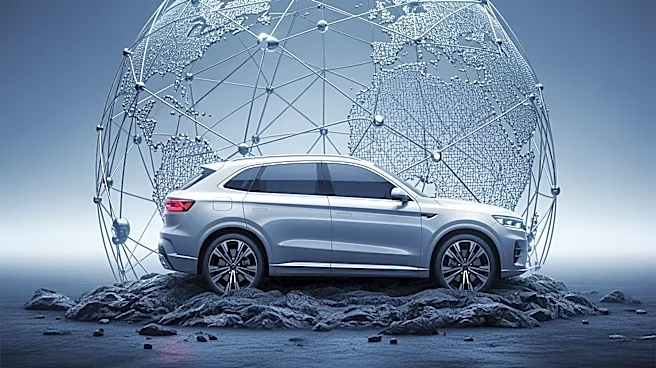


The Volkswagen Tiguan has been a staple in the compact crossover SUV market since its introduction in 2007. Over the years, it has evolved through three distinct generations, each bringing new features and improvements. This article explores the journey of the Tiguan, highlighting the key changes and developments that have shaped its success.
First Generation: The Beginning
The first generation of the Volkswagen Tiguan was unveiled in 2007, marking the brand's entry into the compact
crossover SUV segment. Built on the PQ46 platform, the Tiguan was designed to offer a balance between size and functionality, fitting neatly between the smaller T-Roc and the larger Touareg in Volkswagen's lineup. Initially available with two engine options—a 2.0-liter TDI and a 1.4-liter TSI—the Tiguan quickly gained popularity for its versatility and practicality.
In Europe, the Tiguan was offered in various trim levels, including the Trend & Fun, Sport & Style, and Track & Field packages, each catering to different customer preferences. The Track & Field package, for instance, featured a redesigned front module with a 28-degree approach angle, making it suitable for off-road adventures. The first generation Tiguan was a success, setting the stage for future iterations.
Second Generation: A New Era
The second generation Tiguan, introduced in 2016, brought significant changes to the model. Built on the Volkswagen Group MQB A2 platform, the new Tiguan was lighter, longer, and wider than its predecessor, offering improved interior space and comfort. The introduction of a long-wheelbase variant, known as the Tiguan Allspace, allowed for optional third-row seating, accommodating up to seven passengers.
This generation also saw the introduction of advanced technology features, such as Volkswagen's IQ Drive, which offered semi-automated driving assistance. The Tiguan's design was updated with a more modern aesthetic, featuring newly designed headlamps and a broader bumper intake. These enhancements helped the Tiguan maintain its competitive edge in the growing SUV market.
Third Generation: Modern Innovations
The third generation Tiguan, launched in 2023, continues to build on the success of its predecessors. With a focus on sustainability and innovation, the latest Tiguan incorporates advanced features such as the Tiguan eHybrid and Tiguan R, catering to environmentally conscious consumers and performance enthusiasts alike.
The Tiguan R, a performance-oriented variant, boasts a powerful 2.0-liter turbocharged engine, delivering 320 PS and 420 Nm of torque. Meanwhile, the Tiguan eHybrid offers a plug-in hybrid option, combining efficiency with practicality. These additions reflect Volkswagen's commitment to evolving the Tiguan to meet the demands of modern drivers.
The Volkswagen Tiguan's journey through its three generations showcases the brand's ability to adapt and innovate, ensuring its continued relevance in the competitive SUV market. As the Tiguan evolves, it remains a testament to Volkswagen's dedication to quality and customer satisfaction.