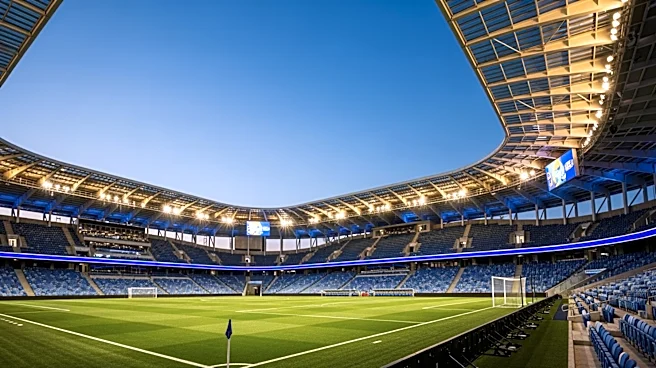







The 2010 FIFA World Cup was a landmark event for South Africa, marking the first time the tournament was held on the African continent. Among the new stadiums built for this occasion was the Peter Mokaba Stadium in Polokwane. Named after a prominent political figure, the stadium played a crucial role in hosting several matches during the World Cup, leaving a lasting legacy in the region.
Hosting the World Cup
Peter Mokaba Stadium was one of five new stadiums constructed
specifically for the 2010 FIFA World Cup. With a seating capacity of 45,500, it was designed to accommodate the influx of international fans and provide a world-class venue for the matches. During the World Cup, the seating capacity was adjusted to 41,733 to meet FIFA's requirements.
The stadium hosted four group matches during the tournament, showcasing its ability to handle large crowds and international attention. The matches held at Peter Mokaba Stadium were part of the group stage, a critical phase of the tournament where teams competed to advance to the knockout rounds. The stadium's role in the World Cup was a significant achievement for Polokwane, putting the city on the global sports map.
Impact on Polokwane
The construction of the Peter Mokaba Stadium brought significant attention and development to Polokwane. As a host city for the World Cup, Polokwane benefited from increased tourism and international exposure. The stadium itself became a symbol of the city's involvement in the global event, attracting visitors and sports enthusiasts.
Beyond the immediate impact of the World Cup, the stadium has continued to serve as a venue for local and international sports events. It has hosted football and rugby matches, contributing to the local economy and providing a platform for sports development in the region. The stadium's presence has also encouraged infrastructure improvements and investment in the surrounding area.
A Lasting Legacy
The legacy of the Peter Mokaba Stadium extends beyond its role in the 2010 FIFA World Cup. It stands as a testament to South Africa's ability to host major international events and the country's commitment to sports development. The stadium continues to be a focal point for sports and community events in Polokwane, ensuring its relevance and importance in the years following the World Cup.
In conclusion, the Peter Mokaba Stadium's involvement in the 2010 FIFA World Cup has left a lasting impact on Polokwane and South Africa as a whole. Its construction and continued use highlight the enduring legacy of the World Cup and the positive effects of hosting such a prestigious event.