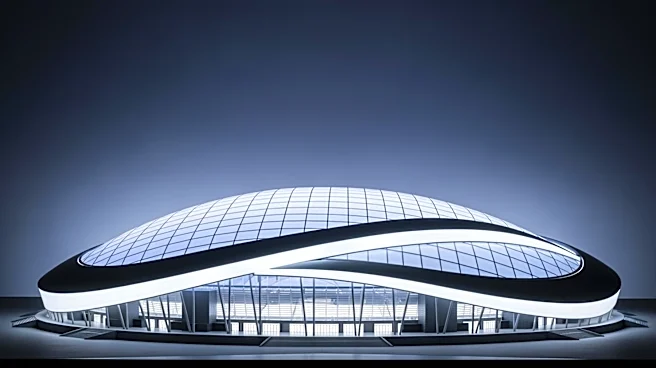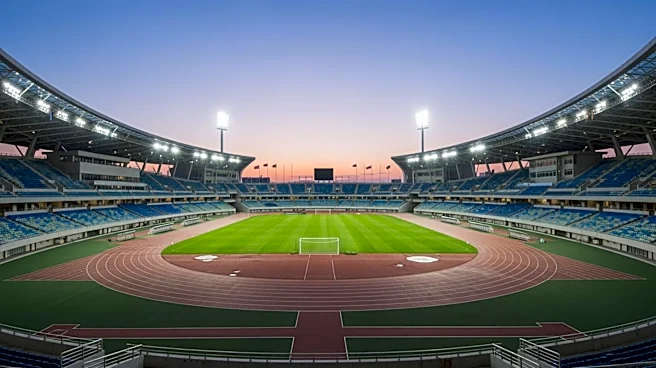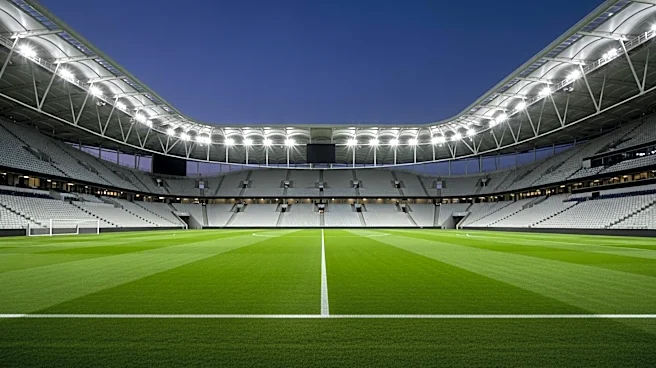


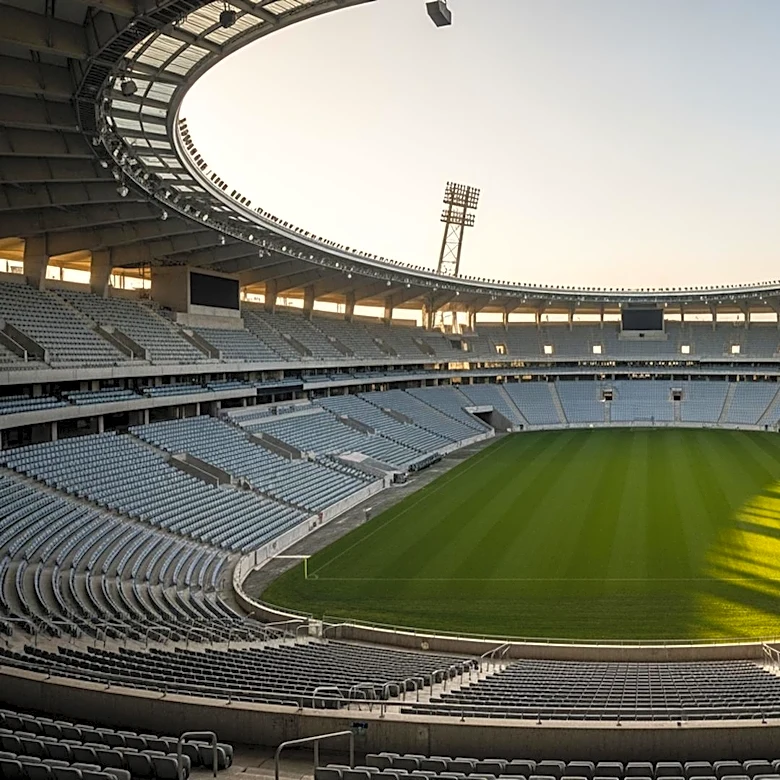




The 2002 FIFA World Cup was a landmark event, not only for the sport but also for the host countries, South Korea and Japan. Among the various venues that played a crucial role in this tournament was the Daejeon World Cup Stadium. This stadium was a key site for several matches, including South Korea's memorable Round of 16 victory over Italy. With a seating capacity of 40,535, the stadium has since become a significant part of South Korea's sports
infrastructure, serving as the home stadium for Daejeon Hana Citizen.
Hosting Memorable Matches
During the 2002 FIFA World Cup, Daejeon World Cup Stadium was the venue for several important matches. One of the most notable was South Korea's Round of 16 match against Italy. This game was a turning point for South Korea, as they secured a victory that propelled them further into the tournament. The stadium's atmosphere was electric, with fans cheering passionately for their national team. The victory over Italy was a historic moment for South Korean football, marking their advancement to the quarter-finals.
The stadium's capacity of 40,535 seats allowed a large number of spectators to witness this thrilling match. The design and structure of the stadium facilitated an engaging experience for fans, contributing to the overall excitement of the World Cup. The successful hosting of such a significant match demonstrated the stadium's capability to handle high-profile international events.
Post-World Cup Legacy
After the World Cup, Daejeon World Cup Stadium continued to play an important role in South Korea's sports scene. It became the home stadium for Daejeon Hana Citizen, a professional football club. This transition from a World Cup venue to a local sports hub highlights the stadium's versatility and enduring relevance.
The stadium's continued use by Daejeon Hana Citizen ensures that it remains a vibrant part of the community. It hosts regular matches, drawing fans from across the region and contributing to the local economy. The legacy of the 2002 FIFA World Cup lives on through the stadium's ongoing role in promoting football and sports culture in South Korea.
Cultural Impact and Community Engagement
The Daejeon World Cup Stadium has become more than just a sports venue; it is a cultural landmark. The stadium's involvement in the 2002 FIFA World Cup elevated its status, making it a symbol of national pride and achievement. It serves as a reminder of South Korea's successful hosting of the World Cup and the country's growing influence in international sports.
Community engagement is a key aspect of the stadium's operations. It hosts various events and activities that bring people together, fostering a sense of unity and shared experience. The stadium's role in the community extends beyond sports, as it provides a space for cultural and social gatherings. This multifaceted use of the stadium underscores its importance as a community asset, contributing to the cultural and social fabric of Daejeon and the surrounding areas.