


Clay has been a fundamental material in human civilization for thousands of years. Its unique properties have made it indispensable in various industries and cultural practices. From ancient pottery to modern industrial applications, clay's versatility continues to be celebrated. This article delves into the diverse uses of clay, highlighting its significance across different eras and fields.
Ancient Uses of Clay
In prehistoric times, humans discovered the malleability
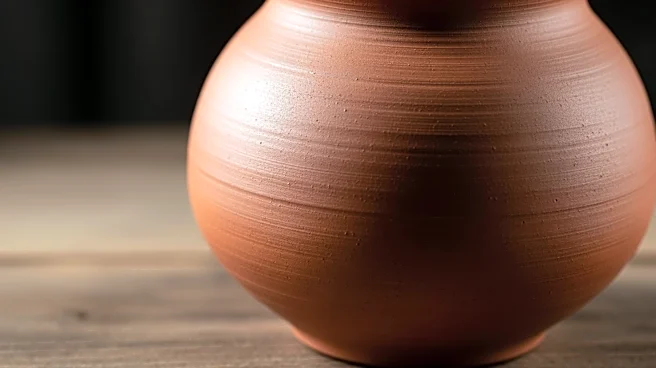
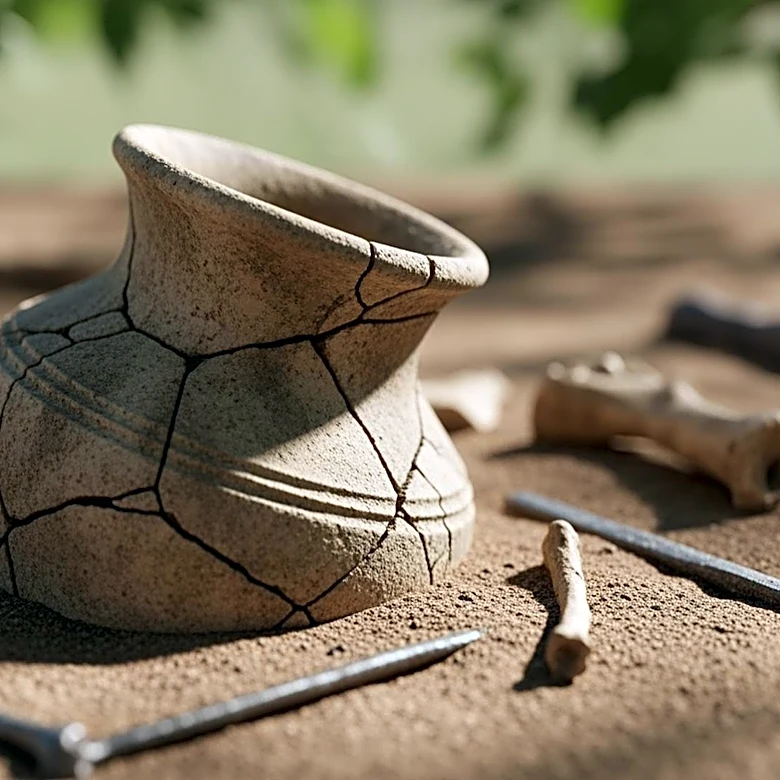
of clay and its ability to harden when dried or fired. This led to the creation of pottery, one of the earliest forms of art and utility. Pottery shards dating back to around 14,000 BCE have been found, showcasing the long-standing relationship between humans and clay. These early creations were not only functional but also served as a medium for artistic expression.
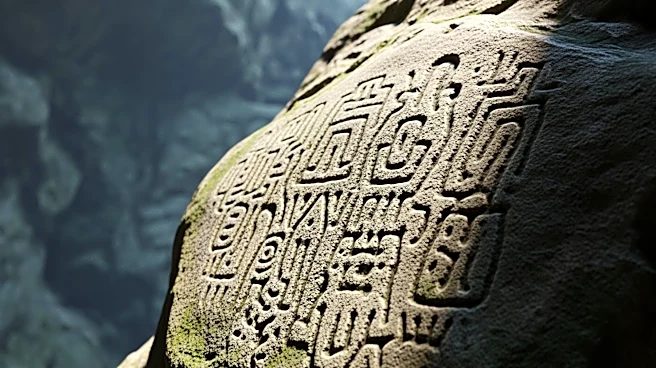
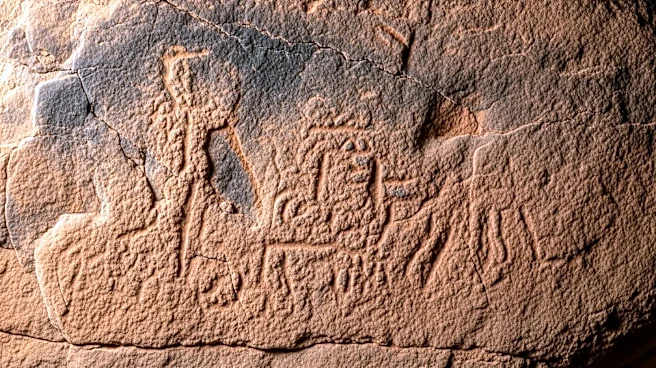
Clay was also used in ancient writing systems. Clay tablets were among the first known writing mediums, allowing civilizations to record information and communicate across generations. The durability of fired clay tablets ensured that these records could withstand the test of time, providing valuable insights into ancient cultures.
Clay in Modern Industry
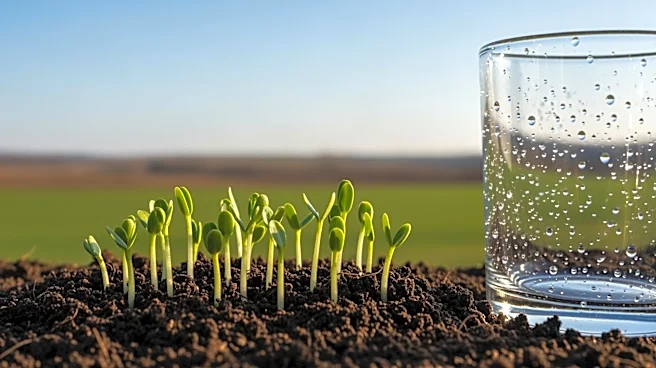
Today, clay remains a crucial component in various industrial processes. It is used in paper making, cement production, and chemical filtering. The high cation-exchange capacity of clay makes it an excellent material for retaining nutrients, which is particularly beneficial in agriculture. Although clay soils require careful management due to poor drainage, their fertility makes them valuable for crop production.
In construction, clay is used to create bricks, tiles, and other building materials. Its impermeability to water makes it ideal for pond linings and landfill barriers, preventing toxic seepage. The ability of clay to absorb heavy metals has also been explored in environmental applications, such as wastewater treatment and air purification.
Cultural Significance of Clay
Beyond its practical uses, clay holds cultural significance in many societies. In art, clay is used for sculpting and modeling, allowing artists to create intricate designs and forms. The tactile nature of clay makes it a favorite medium for both amateur and professional artists.
In traditional building techniques, clay is a key ingredient in adobe, cob, and other natural construction methods. These techniques are still used in many parts of the world, highlighting clay's enduring relevance in sustainable architecture. Additionally, clay has been used in traditional medicine, with certain types believed to have healing properties.
Clay's versatility and adaptability have ensured its continued importance throughout history. Whether in ancient pottery or modern industry, clay remains a vital material that bridges the past and present.