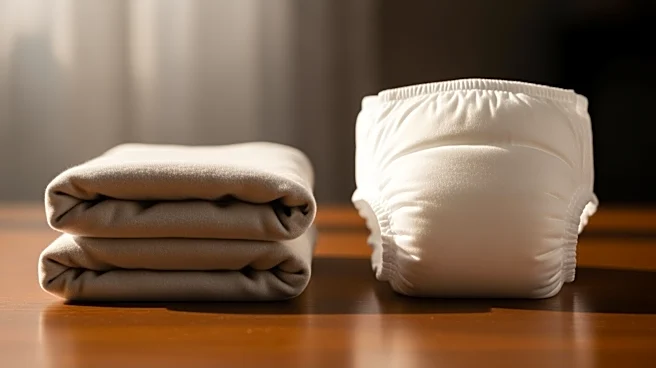




Diapers have undergone significant transformations over the centuries, evolving from simple cloth pieces to the highly absorbent disposable versions we know today. This evolution reflects changes in materials, manufacturing processes, and societal needs. Understanding the history of diapers provides insight into how innovations have shaped childcare practices and improved convenience for caregivers.
Early Cloth Diapers
The term "diaper" originally referred to a type of
cloth with a specific pattern, rather than its use as a garment. In the 19th century, cloth diapers began to take shape as mothers used cotton material, secured with fastenings like safety pins. These early diapers were made from linen or terry toweling, often with an inner lining of soft muslin. The primary challenge with cloth diapers was managing diaper rash, which was exacerbated by poor hygiene and infrequent changes.
By the late 19th century, cloth diapers were being mass-produced, with Maria Allen leading the way in the United States. Despite their widespread use, cloth diapers required frequent washing and drying, which was labor-intensive and time-consuming for caregivers.
The Advent of Disposable Diapers
The concept of disposable diapers emerged in the mid-20th century, driven by the desire for convenience and improved hygiene. In 1946, Marion Donovan invented the first waterproof diaper cover, using nylon parachute cloth. This innovation was followed by Valerie Hunter Gordon's development of the Paddi, a two-part system with a disposable pad and a reusable garment.
The 1950s saw major companies like Procter & Gamble enter the disposable diaper market. Victor Mills, a researcher at Procter & Gamble, played a pivotal role in developing Pampers, which were launched in 1961. These early disposable diapers were bulky and expensive, but they marked the beginning of a new era in diaper technology.
Modern Diaper Innovations
Over the decades, disposable diapers have become thinner, more absorbent, and more comfortable. Innovations such as superabsorbent polymers, elasticized waistbands, and refastenable tapes have improved the fit and functionality of diapers. The introduction of training pants and pant diapers has extended the product range to accommodate children in the toilet training phase.
Today, the diaper industry continues to evolve, with a focus on sustainability and environmental impact. Compostable diapers made from plant-based materials are gaining popularity as parents seek eco-friendly alternatives. Despite these advancements, the fundamental purpose of diapers remains the same: to provide a convenient and hygienic solution for managing waste in infants and adults alike.