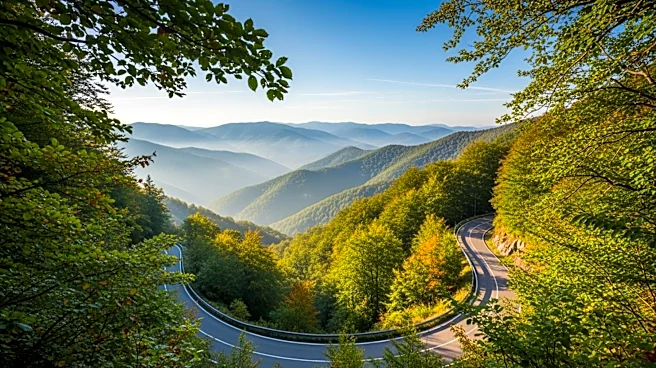




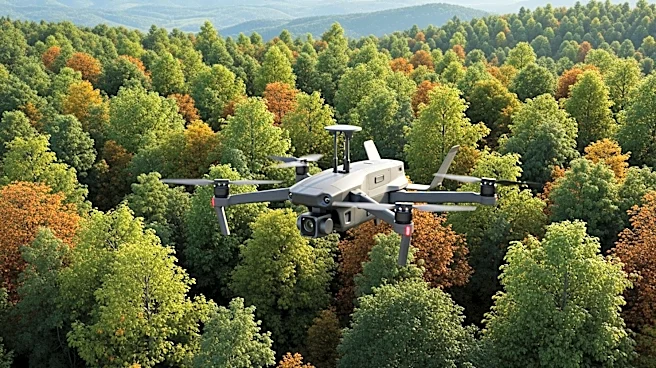
The Blue Ridge Parkway is not only a scenic highway but also a vital corridor for ecological diversity. Stretching through the Appalachian Mountains, it offers a unique opportunity to explore the rich flora and fauna of the region. The parkway's design and management reflect a commitment to preserving the natural environment while providing visitors with access to its stunning landscapes.
Flora and Fauna Along the Parkway
The Blue Ridge Parkway is home to a diverse array of plant and
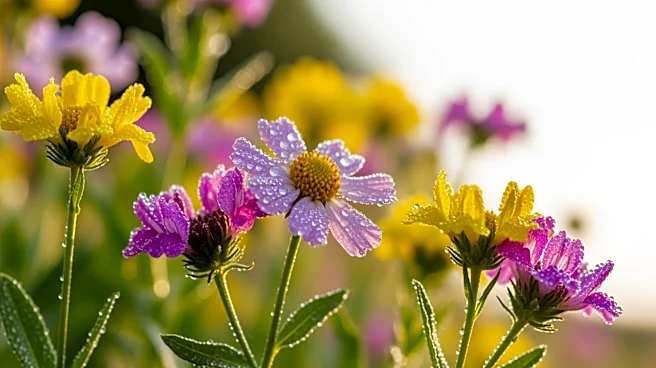
animal species, making it a haven for nature enthusiasts. The parkway's elevation and climate create distinct ecosystems, with flowering shrubs and wildflowers dominating the landscape in spring. Rhododendrons and dogwoods are among the most notable species, adding vibrant colors to the scenery.
The parkway's forests are equally diverse, with oak, hickory, and tulip trees at lower elevations, transitioning to buckeye and ash in the middle, and conifers such as fir and spruce at higher elevations. These forests provide habitat for various wildlife species, including deer, black bears, and numerous bird species. The parkway's design ensures that visitors can enjoy these natural wonders without disrupting the delicate balance of the ecosystem.
Environmental Challenges and Conservation Efforts
The Blue Ridge Parkway faces several environmental challenges, including the spread of invasive species and the impact of cold weather on its infrastructure. Invasive plants such as oriental bittersweet, privet, and multiflora rose have spread along the parkway, threatening native species and altering the landscape. Efforts to manage these invasives are ongoing, with the National Park Service implementing strategies to protect the parkway's natural resources.
Cold weather poses another challenge, as the parkway's high elevation results in colder, wetter, and windier conditions than surrounding areas. Sections of the parkway may be temporarily closed to repair damage caused by winter weather, and the use of ice melting chemicals is limited to protect the environment. These conservation efforts ensure that the parkway remains a pristine natural corridor for future generations.
The Parkway's Role in Environmental Education
The Blue Ridge Parkway serves as an important educational resource, offering visitors insights into the region's ecological diversity and conservation efforts. The parkway's visitor centers and educational programs provide information on the area's flora and fauna, as well as the challenges faced in preserving its natural beauty.
Through initiatives like the Kids in Parks program, the parkway encourages children and families to engage with the environment, promoting physical activity and fostering a sense of stewardship. These programs highlight the importance of conservation and the role individuals can play in protecting the parkway's unique ecosystems.