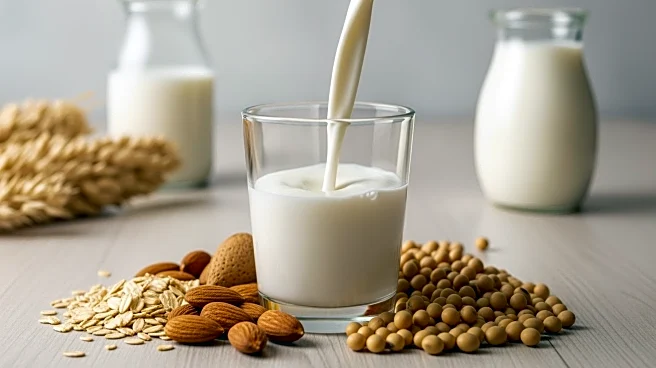




In recent years, plant-based milks have surged in popularity as more people seek alternatives to traditional dairy products. This shift is driven by various factors, including dietary restrictions like lactose intolerance and a growing awareness of environmental issues. Plant-based milks, such as almond, soy, and oat milk, offer a viable substitute for those who cannot or choose not to consume cow's milk. These alternatives not only cater to dietary needs
but also present a more sustainable option in terms of production and resource use.
The Popularity of Plant-Based Milks
The demand for plant-based milks has been on the rise, particularly in Western countries where lactose intolerance affects a significant portion of the population. In the United States alone, around 40 million people are lactose intolerant, making plant-based milks an attractive option. These alternatives are not just for those with dietary restrictions; they have also gained popularity among individuals adopting vegan or vegetarian lifestyles. The versatility of plant-based milks, which can be used in coffee, cooking, and baking, further contributes to their widespread acceptance.
The market for plant-based milks has expanded rapidly, with almond, soy, and oat milk leading the charge. Almond milk holds the largest market share, followed by soy and oat milk. The growth of oat milk, in particular, has been remarkable, with sales increasing significantly in recent years. This trend reflects a broader shift in consumer preferences towards more sustainable and health-conscious food choices.
Environmental Benefits of Plant-Based Milks
One of the key reasons for the growing popularity of plant-based milks is their environmental benefits. Compared to traditional dairy production, plant-based milks generally have a lower environmental impact. For instance, the production of soy, oat, and pea milks results in fewer greenhouse gas emissions and requires less land and water. This makes them a more sustainable choice for environmentally conscious consumers.
Almond milk, while popular, has faced criticism for its high water usage. However, it still has a lower overall environmental footprint compared to cow's milk. Oat milk, on the other hand, is praised for its minimal water and land requirements, making it one of the most sustainable plant-based milk options available. As awareness of environmental issues continues to grow, the demand for these eco-friendly alternatives is likely to increase.
The Future of Plant-Based Milks
The future of plant-based milks looks promising as more consumers become aware of their benefits. The global plant milk market is projected to reach $62 billion by 2030, indicating a strong and growing demand. As the market expands, we can expect to see more innovation in plant-based milk products, including new flavors and fortified options to meet nutritional needs.
In addition to their environmental and dietary benefits, plant-based milks are also gaining traction in the culinary world. They are used to create a variety of products, such as ice cream, yogurt, and cheese alternatives, further broadening their appeal. As the plant-based milk industry continues to evolve, it will play a significant role in shaping the future of food and sustainability.