







Utopian fiction has played a significant role in shaping cultural and social discourse, offering visions of ideal societies that challenge the status quo. Through its imaginative narratives, the genre has influenced political thought, inspired social movements, and sparked debates about the future of humanity.
Political Influence and Social Movements
Throughout history, utopian fiction has been a catalyst for political change and social movements. By presenting alternative models of governance
and social organization, these narratives have inspired activists and thinkers to envision new possibilities for society. Thomas More's "Utopia," for example, introduced concepts of communal ownership and social equality that resonated with early socialist thinkers.
In the 19th century, utopian fiction became intertwined with the rise of socialist and anarchist movements. William Morris' "News from Nowhere" offered a vision of a society free from capitalism and class divisions, influencing the ideals of libertarian socialism. Similarly, Edward Bellamy's "Looking Backward" imagined a future where industrialization led to a more equitable distribution of wealth, inspiring the formation of utopian communities and cooperative societies.
Literary and Artistic Contributions
Utopian fiction has also made significant contributions to literature and the arts, pushing the boundaries of storytelling and creative expression. The genre's imaginative worlds and idealized societies have provided fertile ground for exploring themes of human nature, morality, and the pursuit of happiness. Writers like H.G. Wells and Aldous Huxley used utopian narratives to critique contemporary society and explore the potential consequences of technological and scientific advancements.
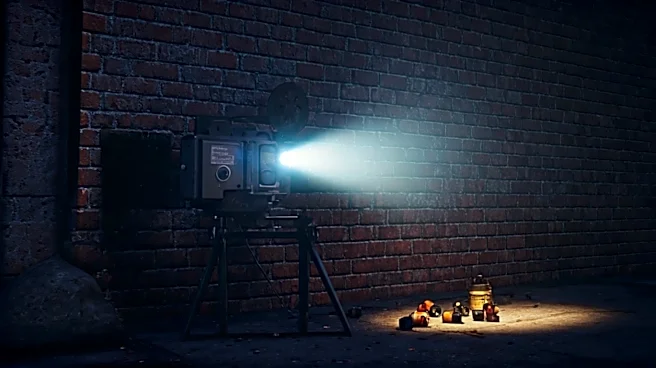
In addition to literature, utopian themes have permeated other artistic forms, including visual arts, theater, and film. The genre's influence can be seen in the works of artists who depict idealized landscapes and harmonious communities, as well as in films that explore futuristic societies and the human condition. These artistic expressions continue to inspire audiences, encouraging them to reflect on the possibilities of a better world.
Contemporary Relevance and Future Directions
Today, utopian fiction remains relevant as humanity grapples with global challenges such as climate change, social inequality, and technological disruption. The genre provides a platform for exploring solutions and envisioning alternative futures, fostering dialogue about the kind of world we wish to create. Authors like Margaret Atwood and Kim Stanley Robinson continue to push the boundaries of utopian narratives, addressing contemporary issues through imaginative storytelling.
As we look to the future, utopian fiction will likely continue to evolve, reflecting the changing landscape of human society and the ongoing quest for a better world. Its cultural impact endures, offering hope and inspiration to those who dare to dream of a brighter tomorrow.