

Daytona Prototypes have played a significant role in the world of sports car racing, evolving over time to meet the demands of safety, cost, and competition. Initially developed for the Grand American Road Racing Association's Rolex Sports Car Series, these cars have undergone several transformations before being replaced by the Daytona Prototype International (DPi) class in 2017.
Early Development and Safety Concerns
The Daytona Prototype was introduced in 2003 as a response to safety
concerns associated with the high speeds of Le Mans Prototypes on the Daytona International Speedway. The concrete walls of the oval section posed significant risks, prompting the Grand American Road Racing Association (GARRA) to seek safer alternatives. By opting for closed cockpit chassis made of tube frames instead of carbon fiber composites, GARRA aimed to reduce costs and enhance safety.
The initial designs focused on slowing down the cars by creating smaller dimensions, particularly in length, which resulted in a more blunt front end. This design choice was intended to limit the speed of the cars, ensuring safer racing conditions. The introduction of standardized technology and restrictions on car development further helped control costs and maintain a level playing field among competitors.
Generational Changes and Technological Advancements
Daytona Prototypes have seen several generational changes since their debut. From 2003 to 2007, seven manufacturers had their chassis approved by GARRA. In 2008, new chassis designs were introduced, with companies like Lola Racing Cars and Dallara purchasing rights from existing entries to develop new prototypes. These changes allowed for modifications to bodywork, particularly in areas like the rear wing and front dive planes.
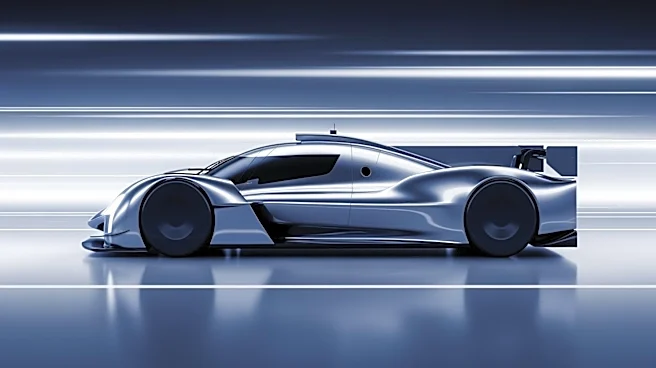
The 2012 season marked the introduction of Gen3 Daytona Prototypes, featuring a nearly identical greenhouse area for all newly constructed cars. This allowed manufacturers to incorporate individual styling cues while maintaining the basic chassis structure. The Gen3 cars also included new minimum body cross-section provisions, giving them a more upright front fascia and nose, closer to production cars.
Transition to Daytona Prototype International
In 2017, Daytona Prototypes were replaced by the Daytona Prototype International (DPi) class. The DPi cars are based on ACO-homologated LMP2 chassis, with brand-specific bodywork and homologated engines. This transition aimed to control costs further and attract manufacturers to the series. The DPi class continues to compete in the IMSA SportsCar Championship, alongside ACO-FIA spec LMP2 cars.
The evolution of Daytona Prototypes reflects the ongoing efforts to balance safety, cost, and competition in sports car racing. As the series continues to evolve, the legacy of Daytona Prototypes remains a testament to the dynamic nature of motorsport engineering.