





Russian cuisine is renowned for its hearty dishes, but it also boasts a delightful array of desserts that reflect the country's rich cultural heritage. From traditional pastries to fruit-based confections, Russian desserts offer a sweet exploration of flavors and traditions. This article delves into the variety and cultural significance of desserts in Russian cuisine.
Traditional Pastries and Cakes
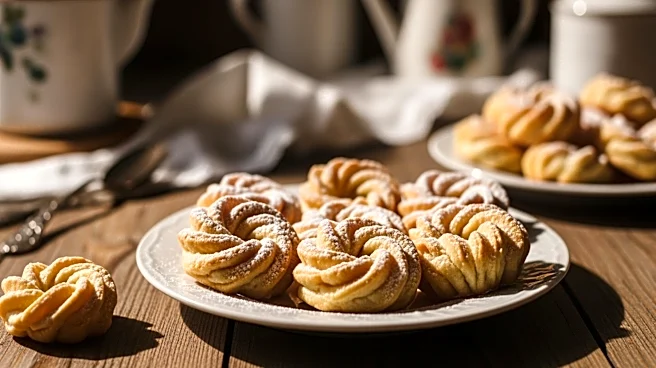
Russian desserts often feature pastries and cakes that are deeply rooted in tradition.
Pirozhki, small stuffed buns made of yeast dough or short pastry, are a popular treat. They come with various fillings, such as meat, rice, eggs, fish, potatoes, cabbage, and mushrooms, offering a savory-sweet balance that appeals to many.
Blini, thin griddle cakes similar to crepes, are another staple in Russian dessert culture. Traditionally made with buckwheat flour and yeasted batter, blini are topped or filled with butter, sour cream, fruit preserves, or caviar. They are often served during Maslenitsa, a springtime festival celebrating the end of winter.
Fruit-Based Confections
Fruit plays a significant role in Russian desserts, with confections like varenye and pastila showcasing the natural sweetness of berries and fruits. Varenye is made by cooking fruits or berries in sugar syrup, resulting in a dessert similar to jam but with a syrupy consistency. It is used as a topping for crepes and syrniki or enjoyed on its own.
Pastila, a fruit confectionery, is made from pressed fruit paste and has a delicate apple flavor. It is light and airy, resembling marshmallow but with a pure fruit taste. Zefir, a soft confectionery made by whipping fruit puree with sugar and egg whites, is another popular treat, symbolizing its delicate airy consistency.
Cultural Significance and Celebrations
Russian desserts are not just about taste; they hold cultural significance and are often associated with celebrations. Kulich, a traditional Easter bread, is baked in tall cylindrical tins and decorated with white icing and colorful flowers. It is blessed by the priest during Easter and eaten before breakfast each day.
Paskha, a festive dish made during Holy Week, consists of food forbidden during the fast of Great Lent. It is brought to church to be blessed after the Paschal Vigil, symbolizing the purity of Christ and the joy of the Resurrection. These desserts reflect the deep cultural and religious traditions embedded in Russian cuisine.