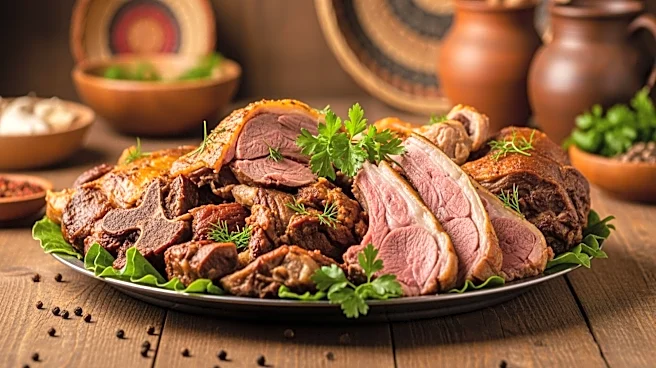




Lamb and mutton have long been associated with traditional celebrations and religious feasts across various cultures. These meats are not only valued for their flavor but also for their symbolic significance in many rituals and festivities. This article examines the role of lamb and mutton in traditional celebrations, highlighting their importance in cultural and religious contexts.
Religious Feasts and Rituals
In many cultures, lamb and mutton are central to religious feasts
and rituals. In Greece, for example, lamb is a key component of Easter celebrations. Dishes like avgolemono and magiritsa are prepared as part of the Easter feast, symbolizing renewal and rebirth. The use of lamb in these celebrations is deeply rooted in religious traditions, where the meat represents sacrifice and purity.
Similarly, in the Middle East, lamb is often used in religious feasts such as Eid al-Adha, where it is sacrificed and shared among family and friends. This practice is a reflection of the story of Abraham's willingness to sacrifice his son, and the lamb serves as a symbol of faith and devotion. The communal sharing of lamb during these celebrations reinforces the values of generosity and community.
Cultural Celebrations and Festivals
Beyond religious contexts, lamb and mutton are also integral to cultural celebrations and festivals. In Italy, the tradition of consuming abbacchio, a young lamb, during Easter and Christmas is a long-standing practice. This dish is a staple in the Lazio region and is celebrated through various festivals and events, highlighting its cultural significance.
In the Basque culture, both in Europe and the Western United States, lamb and mutton are celebrated in traditional shepherding festivals. These events honor the pastoral lifestyle and the role of sheep in the community. The preparation and consumption of lamb and mutton during these festivals serve as a reminder of the cultural heritage and the connection to the land.
Modern Celebrations and Culinary Traditions
In modern times, lamb and mutton continue to play a role in celebrations and culinary traditions. In Australia, the leg of lamb roast is considered a national dish and is often served during special occasions. This dish is typically prepared with rosemary and served with roasted vegetables, showcasing the country's appreciation for lamb.
In the United States, mutton barbecue is a tradition in Western Kentucky, where the meat is slow-cooked and enjoyed during community gatherings. This practice reflects the region's history in the wool trade and the abundance of older sheep. The continued use of lamb and mutton in modern celebrations highlights their enduring appeal and cultural significance.
Lamb and mutton's role in traditional celebrations underscores their importance in cultural and religious contexts. From religious feasts to cultural festivals, these meats continue to be cherished for their flavor and symbolic meaning.