







Cycling is not only a popular mode of transport and recreation but also a highly competitive sport with a rich history. Governed by international bodies, cycling competitions attract athletes from around the world, showcasing endurance, speed, and strategy. This article examines the role of cycling in competitive sports, highlighting its governing bodies and major events.
Governing Bodies of Competitive Cycling
The Union Cycliste Internationale (UCI) is the world governing body for cycling
and international competitive cycling events. Founded in 1900, the UCI oversees various cycling disciplines, including road racing, track cycling, mountain biking, and BMX. The organization sets the rules and regulations for competitions, ensuring fair play and standardization across events.
In addition to the UCI, other organizations govern specific aspects of competitive cycling. For example, the International Human Powered Vehicle Association focuses on human-powered vehicles, while the UltraMarathon Cycling Association oversees ultra-distance cycling races. These organizations work together to promote cycling as a sport and ensure its continued growth and development.
Major Cycling Competitions
Cycling competitions are held worldwide, ranging from local races to prestigious international events. The most famous of these is the Tour de France, a multi-stage road race that attracts top cyclists from around the globe. Other notable events include the Giro d'Italia and the Vuelta a España, which, along with the Tour de France, make up cycling's Grand Tours.
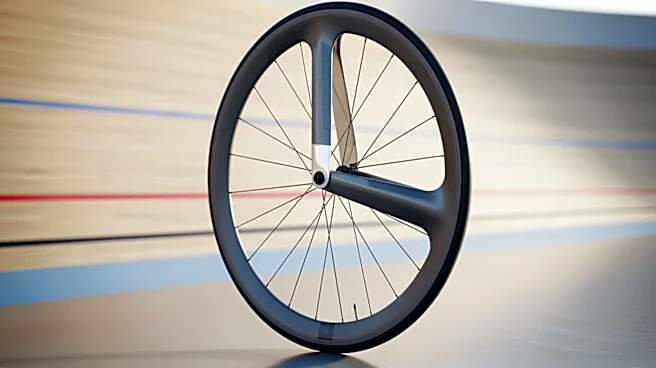
Track cycling events, held in velodromes, are another popular aspect of competitive cycling. These races test speed and strategy, with events such as the individual pursuit, team pursuit, and sprint. Mountain biking and BMX racing have also gained popularity, with events like the UCI Mountain Bike World Cup and the BMX World Championships drawing large audiences.
The Impact of Competitive Cycling
Competitive cycling has a significant impact on the sport's popularity and development. High-profile events like the Tour de France inspire new generations of cyclists and promote the sport to a global audience. These competitions also drive innovation in bicycle technology, as manufacturers strive to create faster, more efficient bikes for professional athletes.
Moreover, competitive cycling contributes to the global economy through tourism, sponsorships, and media coverage. Host cities benefit from increased tourism and international exposure, while sponsors gain visibility through association with prestigious events.
In conclusion, cycling's role in competitive sports is multifaceted, encompassing a range of disciplines and events. Governed by international bodies, these competitions showcase the sport's athleticism and drive its continued growth and innovation.