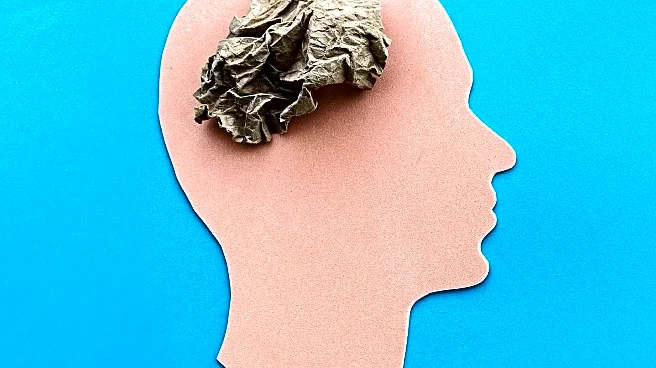




Acne is not just a physical condition; it can have profound effects on an individual's mental health and self-esteem. The visible nature of acne can lead to feelings of embarrassment and social isolation, impacting one's quality of life. This article explores the psychological consequences of acne and the importance of addressing these issues alongside physical treatment.
Self-Esteem and Confidence
Acne can significantly affect self-esteem, particularly during adolescence when
social interactions and self-image are crucial. The presence of acne lesions on visible areas like the face can lead to self-consciousness and a reluctance to engage in social activities. This can result in a cycle of avoidance and isolation, further exacerbating feelings of low self-worth.
The psychological impact of acne is not limited to teenagers; adults with persistent acne can also experience similar challenges. The stigma associated with acne can lead to misconceptions about personal hygiene or lifestyle choices, adding to the emotional burden.
Anxiety and Depression
The link between acne and mental health issues such as anxiety and depression is well-documented. The stress of dealing with acne can lead to heightened anxiety, particularly in social situations where individuals may feel judged or scrutinized. This anxiety can manifest in various ways, including social withdrawal and difficulty concentrating.
Depression is another common consequence of acne, with studies indicating a higher risk of depressive symptoms among those affected by the condition. The persistent nature of acne can lead to feelings of hopelessness and frustration, especially when treatments do not yield immediate results.
Addressing Psychological Needs
It is essential to address the psychological impact of acne alongside physical treatment. Healthcare providers should consider the emotional well-being of patients and offer support or referrals to mental health professionals when necessary. Counseling and support groups can provide a safe space for individuals to share their experiences and learn coping strategies.
Education about acne and its causes can also help reduce stigma and misconceptions, empowering individuals to manage their condition with confidence. By acknowledging the psychological aspects of acne, a more holistic approach to treatment can be achieved, improving both physical and mental health outcomes.
Acne is a multifaceted condition that requires attention to both physical and emotional needs. Understanding the psychological impact of acne can lead to more effective management strategies and a better quality of life for those affected.