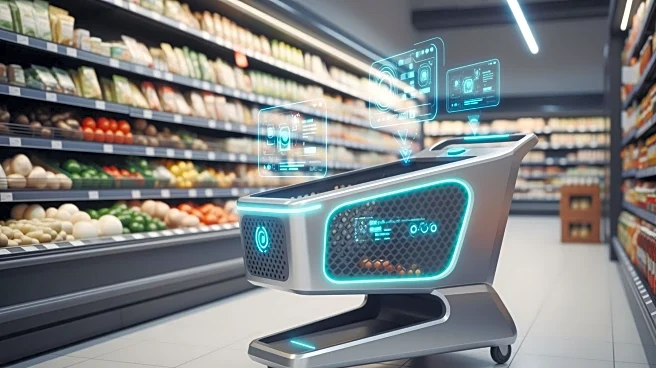



AI agents, or agentic AI, are increasingly being considered for roles within the workforce. These autonomous systems are designed to operate independently, making decisions and performing tasks without constant human intervention. As companies explore the potential of AI agents, they face both opportunities and challenges in integrating these systems into the workforce.
The Promise of AI Agents in the Workforce
AI agents offer the promise of increased productivity and efficiency in the workplace.
By automating repetitive and low-risk tasks, these systems can free up human workers to focus on more complex and creative endeavors. Proponents argue that AI agents can enhance personal and economic productivity, foster innovation, and liberate users from monotonous tasks.
Several CEOs of major tech companies have expressed optimism about the future of AI agents in the workforce. In early 2025, they predicted that AI agents would eventually join the workforce, taking on roles that require decision-making and problem-solving capabilities. This vision aligns with the broader push by Big Tech companies to automate various aspects of business operations.
Challenges and Limitations
Despite the potential benefits, AI agents face significant challenges in the workforce. A preprint study by Carnegie Mellon University revealed that AI agents struggled to complete a majority of assigned tasks in a simulated software company. Similar findings were reported with other agents in business settings and freelance work, indicating that these systems are not yet ready to fully replace human workers.
Concerns about liability, ethical challenges, and AI safety also pose obstacles to the widespread adoption of AI agents. Issues such as data privacy, weakened human oversight, and the lack of guaranteed repeatability further complicate the integration of these systems into the workforce. Additionally, the potential for job displacement and underemployment raises important social and economic questions.
The Path Forward
To address these challenges, ongoing research and development are essential. Companies and researchers are exploring ways to improve the reliability and effectiveness of AI agents, focusing on areas such as memory systems, cognitive architecture, and orchestration patterns. Efforts to standardize inter-agent communication and enhance security and compliance frameworks are also underway.
In conclusion, while AI agents hold significant promise for the workforce, their integration is not without challenges. As technology continues to evolve, it is crucial to balance the potential benefits with the ethical and practical considerations of deploying AI agents in real-world settings. By addressing these challenges, companies can harness the power of AI agents to drive innovation and productivity in the workforce.