





The 1976 NFL draft was a landmark event that played a crucial role in shaping the future of American football. Held on April 8-9, 1976, at New York City's Roosevelt Hotel, the draft was notable for its first-round selections, including Lee Roy Selmon and Archie Griffin. This draft not only introduced new talent to the league but also marked a period of expansion and change.
Key Selections and Their Impact
The first pick of the 1976 NFL draft was Lee Roy Selmon, a defensive end from
the University of Oklahoma, selected by the Tampa Bay Buccaneers. Selmon's selection was significant as he became a cornerstone for the Buccaneers, providing leadership and skill on the field. His impact was felt immediately, and he went on to have a distinguished career, becoming one of the most respected players in the league.
Another notable selection was Archie Griffin, a two-time Heisman Trophy winner, who was picked in the first round. Griffin's entry into the NFL was highly anticipated, given his college success. Although his professional career did not reach the same heights as his college days, his presence in the draft underscored the level of talent entering the league at that time.
The Draft's Role in Expansion
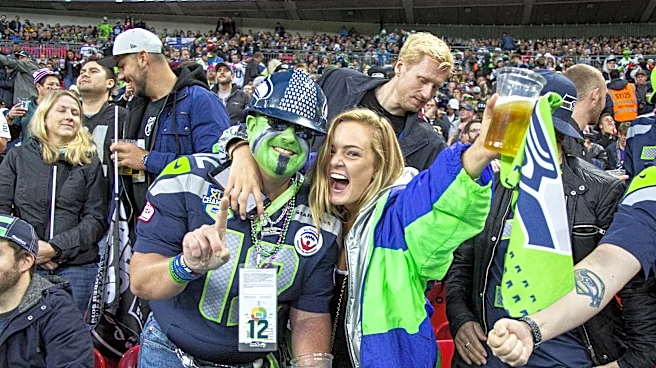
The 1976 draft was part of a broader expansion effort within the NFL. Alongside the expansion draft, which introduced the Seattle Seahawks and Tampa Bay Buccaneers, the college draft was essential in providing these new teams with fresh talent. The draft allowed the Buccaneers and Seahawks to build their rosters with young players who could develop into key contributors.
This period of expansion was crucial for the NFL as it sought to grow its reach and influence. By adding new teams and infusing the league with new talent, the NFL was able to maintain its competitive edge and appeal to a broader audience. The 1976 draft played a pivotal role in this process, setting the stage for future growth and success.
Legacy of the 1976 Draft
The 1976 NFL draft left a lasting legacy on the league. It was a turning point that highlighted the importance of strategic player selection and team building. The draft's impact was felt not only in the immediate success of players like Lee Roy Selmon but also in the long-term growth of the league.
As the NFL continued to expand and evolve, the lessons learned from the 1976 draft remained relevant. The draft demonstrated the value of careful planning and execution in building successful teams, a principle that continues to guide the league today. The 1976 draft was more than just a selection of players; it was a defining moment in the history of American football.