





A suit is more than just a jacket and trousers; it is a carefully constructed ensemble designed to convey elegance and sophistication. Each component of a suit plays a crucial role in its overall appearance and functionality. This article provides a detailed look at the various elements that make up a suit, exploring their functions and significance.
The Jacket: Structure and Style
The jacket is arguably the most important component of a suit, setting the tone for its overall style
and fit. Jackets come in various styles, including single-breasted and double-breasted designs. Single-breasted jackets typically feature two or three buttons, while double-breasted jackets have a more formal appearance with overlapping front panels and additional buttons.
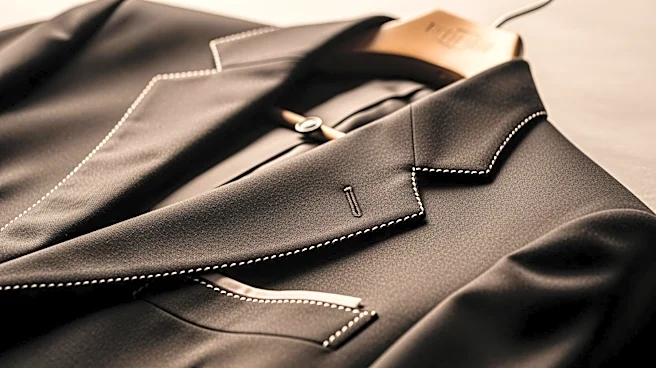
Lapels are another key feature of the jacket, with notched, peaked, and shawl lapels offering different levels of formality. Notched lapels are the most common and versatile, suitable for both business and casual settings. Peaked lapels are more formal and often found on double-breasted jackets, while shawl lapels are typically reserved for tuxedos and evening wear.
Trousers and Waistcoats: Complementary Elements
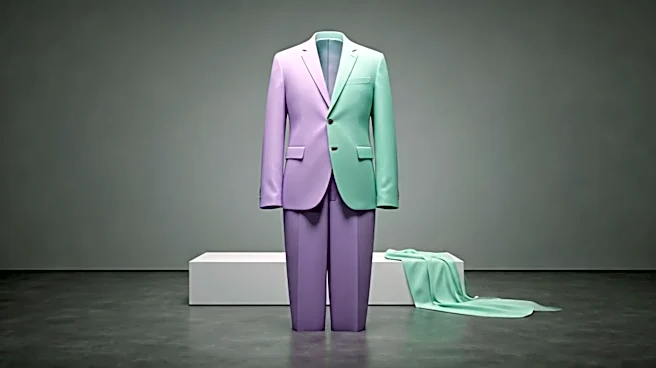
Trousers, also known as dress pants, are designed to complement the jacket, often made from the same fabric to create a cohesive look. They may feature pleats for added comfort and a crease down the front for a polished appearance. The fit of the trousers is crucial, with options ranging from slim to relaxed cuts to suit different body types and preferences.
The waistcoat, or vest, is an optional component that adds an extra layer of formality to a suit. Traditionally worn with three-piece suits, the waistcoat can be single or double-breasted and may feature lapels. It is typically worn with the bottom button left undone, a convention that dates back to King Edward VII.
Accessories and Finishing Touches
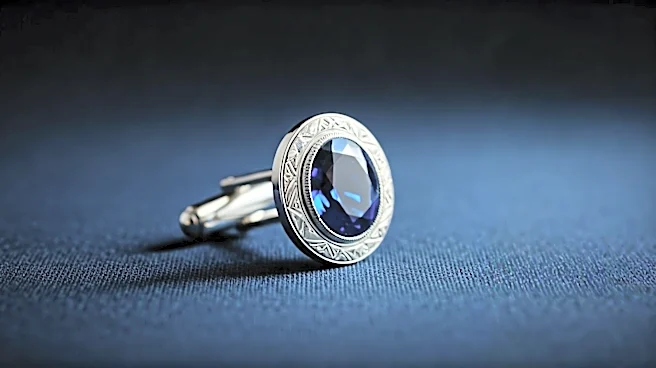
Accessories play a vital role in completing the look of a suit, allowing for personal expression and style. Common accessories include neckties, pocket squares, cufflinks, and tie clips. The choice of accessories can significantly impact the overall appearance of a suit, adding color and personality to an otherwise neutral ensemble.
Shoes are another important consideration, with options such as oxfords, brogues, and loafers providing different levels of formality. The color and style of the shoes should complement the suit, with black and brown being the most versatile choices.
In addition to these components, the fabric and construction of a suit are critical to its quality and durability. Wool is the most common material used for suits, offering a balance of comfort and elegance. The construction of the suit, whether bespoke, made-to-measure, or off-the-rack, also influences its fit and overall appearance.
Understanding the anatomy of a suit and its components allows individuals to make informed choices when selecting and styling their attire. Each element contributes to the suit's functionality and aesthetic, ensuring that it remains a timeless and versatile wardrobe staple.