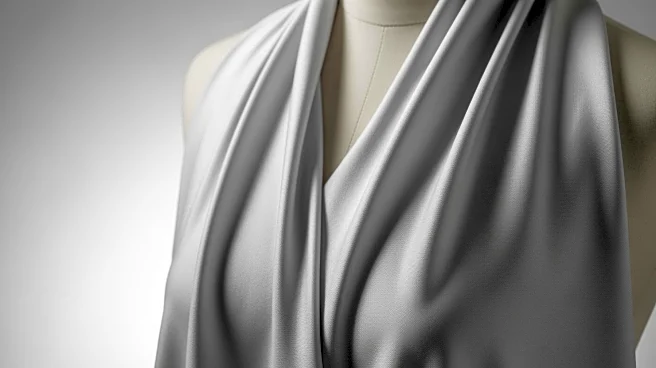




Microfiber has made significant inroads into the fashion industry, offering a unique combination of functionality and style. This article explores how microfiber is used in clothing and accessories, highlighting its benefits and versatility. By examining its role in fashion, we can appreciate how microfiber enhances both performance and aesthetics.
Microfiber in Clothing
Microfiber fabrics are synthetic and often used in athletic wear due to their moisture-wicking properties.
This makes them ideal for sports apparel, such as cycling jerseys, as they help keep the wearer cool by drawing perspiration away from the body. The evaporation of moisture from the fabric surface provides a cooling effect, enhancing comfort during physical activities.
In addition to athletic wear, microfiber is used to create soft and durable fabrics for everyday clothing. It is commonly found in skirts, jackets, bathrobes, and swimwear. Microfiber's ability to mimic the texture of natural materials, such as suede, makes it a popular choice for creating Ultrasuede, a synthetic imitation of suede leather that is easier to clean and sew.
Microfiber Accessories
Microfiber is also used to make a variety of accessories traditionally crafted from leather. Items such as wallets, handbags, backpacks, and shoes benefit from microfiber's lightweight and durable nature. Its water-repellent properties make it a practical choice for accessories that need to withstand everyday wear and tear.
The versatility of microfiber allows it to be coated with various finishes and treated with antibacterial chemicals, enhancing its functionality. It can also be printed with designs, embroidered, or heat-embossed, offering a wide range of aesthetic possibilities. This adaptability makes microfiber a favored material for fashion designers seeking both style and practicality.
The Future of Microfiber in Fashion
As the fashion industry continues to evolve, microfiber remains a valuable material due to its unique properties. Its ability to combine functionality with style makes it an attractive option for designers and consumers alike. However, the environmental impact of microfiber, particularly its contribution to plastic pollution, is a growing concern.
Efforts to address these environmental challenges include developing more sustainable production methods and encouraging responsible consumer practices. By balancing the benefits of microfiber with environmental considerations, the fashion industry can continue to innovate while minimizing its ecological footprint.
Microfiber's role in fashion highlights its versatility and appeal. As we look to the future, microfiber will likely continue to play a significant role in shaping the intersection of function and style in the fashion world.