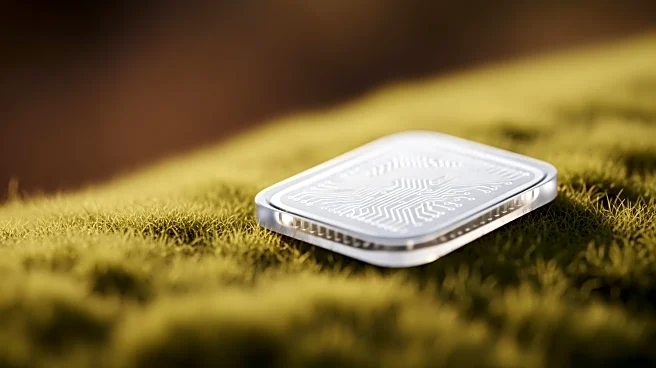




Microchip implants have become a standard practice in animal identification, offering numerous benefits for animal welfare. These tiny devices, implanted under the skin, provide a reliable method for tracking and identifying animals, ensuring they can be reunited with their owners if lost. However, the use of microchip implants also raises questions about potential impacts on animal welfare. This article examines the benefits and concerns associated
with microchip implants in animals.
Benefits for Animal Welfare
One of the primary benefits of microchip implants is their ability to reunite lost pets with their owners quickly and efficiently. Animal shelters and veterinarians routinely scan for microchips, allowing them to identify and contact the owner of a stray animal. This process reduces the time and resources spent on housing, feeding, and caring for lost pets, ultimately decreasing the number of animals that may be euthanized due to overcrowding.
Microchip implants also play a crucial role in managing farm animals, ensuring they can be tracked from birth to slaughter. This tracking system helps maintain the health and safety of livestock, preventing the spread of diseases and ensuring that animals are properly cared for throughout their lives.
Concerns and Challenges
Despite the benefits, there are concerns about the potential impact of microchip implants on animal welfare. Some studies have reported adverse reactions to microchip implants, including infection, rejection, and tumor formation at the site of implantation. While the risk of such reactions is considered low, it is essential to monitor and address any issues that may arise.
Another challenge is ensuring that the registry information linked to the microchip is kept up-to-date. Without current contact information, a microchip is essentially useless, and the animal may not be reunited with its owner. This issue highlights the importance of responsible pet ownership and the need for regular updates to registry databases.
The Future of Microchip Implants
As technology continues to advance, microchip implants may become even more sophisticated, offering new possibilities for animal identification and management. Researchers are exploring ways to enhance the functionality of microchips, potentially allowing them to monitor an animal's health and well-being.
Overall, microchip implants have a positive impact on animal welfare, providing a reliable method for identification and management. By addressing potential concerns and continuing to innovate, microchip technology can further improve the lives of animals and their owners.