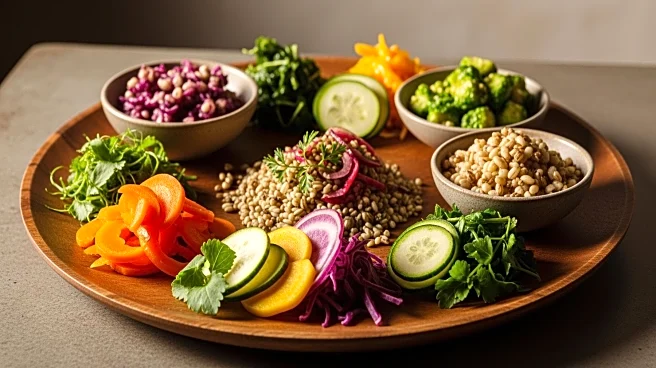




Side dishes are a universal component of meals, yet they vary significantly across different cultures and regions. While the concept of a side dish remains consistent—serving as an accompaniment to the main course—the ingredients, preparation methods, and cultural significance can differ widely. This article explores the diverse world of side dishes, highlighting how they reflect the culinary traditions and preferences of various regions.
Side Dishes in Western Cuisine
In Western
countries, side dishes are often centered around familiar staples like potatoes, bread, and salads. These sides are designed to complement the main course, adding flavor, texture, and nutritional balance. Potatoes, in particular, are a versatile side dish, appearing in forms such as mashed potatoes, baked potatoes, and French fries. Salads, often served as a "side salad," provide a fresh and light contrast to richer main dishes.
Bread is another common side dish in Western cuisine, frequently served as dinner rolls or slices of crusty bread. These sides are not only delicious but also practical, as they can be used to soak up sauces and gravies. In recent years, rice and couscous have gained popularity as side dishes in Europe, especially at formal occasions, reflecting the influence of Middle Eastern and Mediterranean cuisines.
Asian and Middle Eastern Side Dishes
In Asian and Middle Eastern cuisines, side dishes often play a central role in the meal. In Korea, for example, banchan refers to a variety of small side dishes served alongside rice and the main course. These dishes can include kimchi, pickled vegetables, and seasoned greens, offering a range of flavors and textures that enhance the dining experience.
Middle Eastern meals frequently feature side dishes like hummus, tabbouleh, and baba ghanoush. These dishes are typically made with fresh ingredients such as chickpeas, parsley, and eggplant, and are seasoned with herbs and spices. They provide a flavorful and nutritious complement to the main course, often served with pita bread for dipping.
The Cultural Significance of Side Dishes
Side dishes are not only a culinary element but also a reflection of cultural identity and tradition. They can tell a story about a region's history, climate, and agricultural practices. For instance, the prevalence of rice as a side dish in many Asian countries is linked to the region's rice-growing capabilities and its importance as a staple food.
In many cultures, side dishes are also a way to showcase local ingredients and flavors. They offer an opportunity for creativity and experimentation, allowing cooks to incorporate seasonal produce and regional specialties. As a result, side dishes are a dynamic and evolving aspect of global cuisine, continually adapting to new influences and tastes.