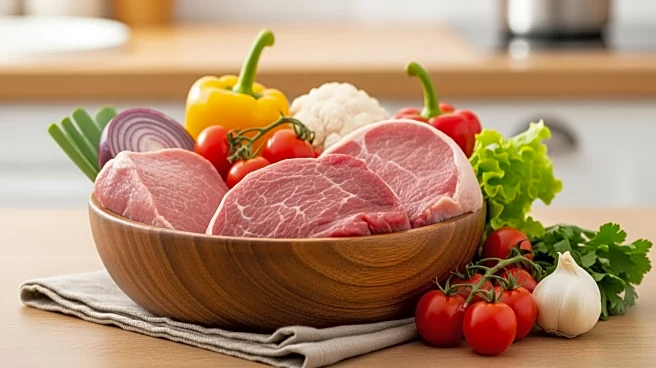




Raw feeding is a practice that has gained popularity among pet owners who believe it offers a more natural diet for their animals. This approach involves feeding domestic dogs, cats, and other pets uncooked meat, edible bones, and organs. While some pet owners opt for homemade raw diets, commercial options are also available. Despite its growing popularity, raw feeding is not without controversy, as veterinary associations have raised concerns about
the potential health risks involved.
Understanding Raw Feeding
Raw feeding is based on the idea that pets should consume a diet similar to what their wild ancestors might have eaten. This diet typically includes uncooked meat, bones, and organs, which are believed to be more natural and beneficial for pets. Some pet owners prepare these diets at home, while others purchase commercially available raw food products. The ingredients used in raw diets can vary, but the core concept remains the same: providing pets with a diet that mimics their natural eating habits.
Despite the appeal of raw feeding, it is important to note that there is no scientific evidence supporting the claimed benefits of this practice. Veterinary associations, including the American Veterinary Medical Association, have warned against raw feeding due to the potential health risks it poses to both animals and humans. These risks include foodborne illnesses, zoonosis, and nutritional imbalances.
Health Risks and Concerns
One of the primary concerns associated with raw feeding is the risk of foodborne illnesses. Uncooked meat can harbor harmful bacteria such as Salmonella and E. coli, which can lead to serious health issues for pets and their owners. Additionally, raw feeding can result in zoonosis, where diseases are transmitted from animals to humans. This is particularly concerning for households with young children, elderly individuals, or those with compromised immune systems.
Nutritional imbalances are another significant risk of raw feeding. Pets require a balanced diet to maintain their health, and raw diets may not provide all the necessary nutrients. For example, certain vitamins and minerals may be lacking, leading to deficiencies that can affect a pet's overall well-being. Veterinary associations have emphasized the importance of ensuring that pets receive a complete and balanced diet, which may be difficult to achieve with raw feeding.
The Raw Food Movement
The raw food movement has gained traction alongside trends in human diets that favor natural and organic products. Many pet owners are drawn to raw feeding because they believe it allows their pets to stay connected to their wild, carnivorous ancestry. This perception of raw feeding as a more natural option has contributed to its popularity, despite the lack of scientific support.
As the raw food movement continues to grow, it is crucial for pet owners to weigh the potential benefits against the risks. Consulting with a veterinarian can help ensure that pets receive a diet that meets their nutritional needs while minimizing health risks. Ultimately, the decision to pursue raw feeding should be made with careful consideration of the available evidence and expert advice.