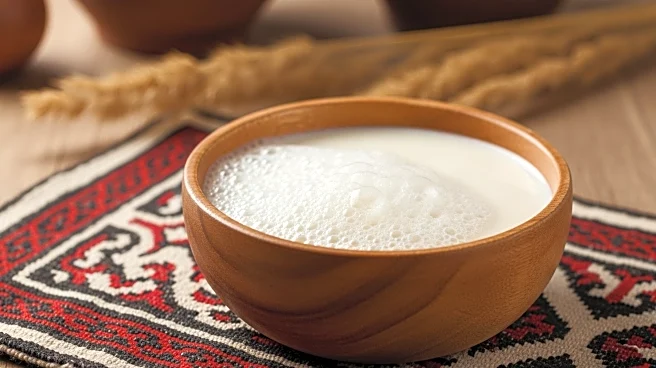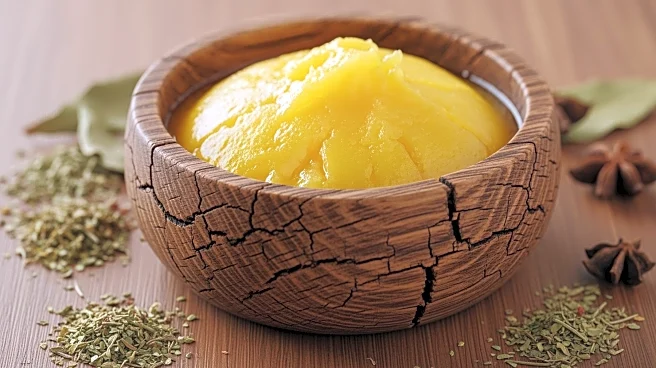




Smen, a traditional North African fermented butter, holds a special place in the culinary practices of countries like Algeria, Morocco, and Tunisia. This unique ingredient is not just a staple in the kitchen but also a symbol of cultural heritage and tradition. Made from sheep or goat milk butter, smen is salted and aged, often buried underground to maintain a stable temperature, much like cheese is matured in caves. Its distinct flavor and aroma
make it an essential component in many traditional dishes, reflecting the rich culinary history of the region.
The Making of Smen
The process of making smen is as much an art as it is a science. It begins with butter made from the milk of sheep, goats, or a combination of both. This butter is brought to its boiling point, skimmed, and then strained into a ceramic jar. Salt is added before the butter curdles, and sometimes roasted fenugreek seeds are included to enhance the flavor. Thyme is often used as a yeast and enzyme starter, although other plants or fruits can be used as well. The mixture is then aged, traditionally buried in the ground to ensure a stable temperature, which is crucial for its fermentation.
In Yemen, a special version of smen, known as semneh, is smoked with aromatic herbs inside a gourd, adding a deeper flavor and aiding in preservation. This version is used to make a dish called fatoot samneh, showcasing the versatility and regional variations of smen.
Smen in Traditional Dishes
Smen is a key ingredient in many North African dishes, adding a rich, savory depth that is hard to replicate with other ingredients. Its unique flavor profile, often compared to that of blue cheese, makes it a prized addition to stews, couscous, and tagines. In Morocco, smen is traditionally aged and spiced, undergoing fermentation until it achieves a strong, cheese-like scent. This matured smen is not only used in cooking but also valued for its medicinal properties, passed down through generations as traditional knowledge.
The use of smen in cooking is not limited to savory dishes. In Jordan and Palestine, samneh, a similar type of butter, is used in sweets like baklava and knafeh, highlighting its versatility and importance in Middle Eastern cuisine.
Smen as a Cultural Symbol
Beyond its culinary uses, smen holds cultural significance in North African societies. It is often associated with special occasions and traditional practices. For instance, in southern Morocco, a popular legend tells of Berber farmers who bury a sealed vessel of smen on the day of a daughter's birth, only to unearth it for her wedding feast. This practice underscores the deep-rooted cultural connections and the symbolic value of smen in marking life's milestones.
In conclusion, smen is more than just a cooking ingredient; it is a cultural artifact that embodies the traditions, flavors, and history of North Africa. Its preparation, use in traditional dishes, and cultural symbolism make it an integral part of the region's culinary identity.