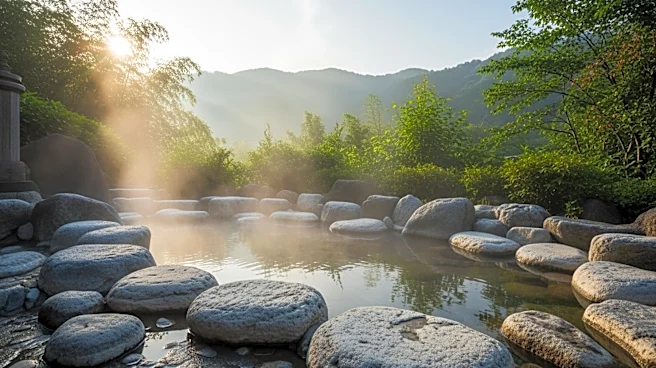





Hot Springs National Park, located in central Arkansas, is not only a natural wonder but also a cultural landmark. Known for its historic bathhouses and natural hot springs, the park has played a significant role in shaping the cultural and social landscape of the region. This article delves into the cultural impact of Hot Springs National Park, highlighting its influence on local traditions and its status as a symbol of healing and relaxation.
A Hub of Healing and Relaxation
For
centuries, the hot springs in the area now known as Hot Springs National Park have been revered for their healing properties. Native American tribes, including the Quapaw, considered the springs a sacred site, and their legends spoke of the waters' ability to cure ailments. This cultural belief in the springs' healing powers has persisted through the years, attracting visitors seeking relief and rejuvenation.
The establishment of the Hot Springs Reservation in 1832 and its subsequent transition to a national park in 1921 further cemented the area's reputation as a center for healing. The historic bathhouses along Bathhouse Row became popular destinations for those looking to experience the therapeutic benefits of the thermal waters. This tradition of healing and relaxation continues to draw visitors to the park, making it a cultural icon in the region.
Architectural and Historical Significance
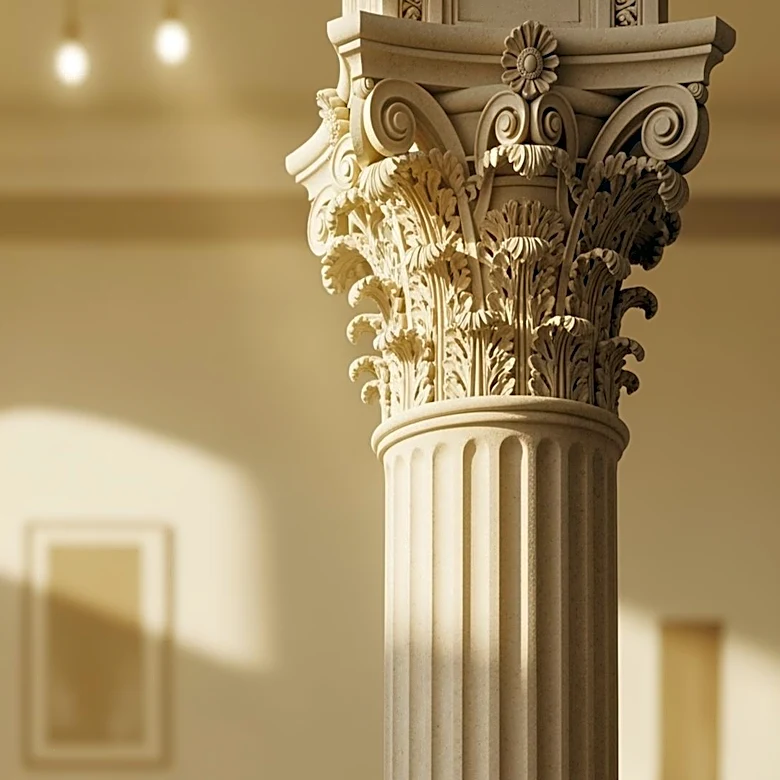
The historic bathhouses of Hot Springs National Park are not only cultural landmarks but also architectural treasures. These structures, built in the early 20th century, showcase a variety of architectural styles, including Spanish Renaissance and Neoclassical. The bathhouses have been carefully preserved and restored, offering visitors a glimpse into the past and the cultural practices of the time.
Bathhouse Row, with its eight historic bathhouses, is a testament to the park's cultural and historical significance. The preservation of these buildings by the National Park Service ensures that future generations can appreciate their architectural beauty and cultural importance. The bathhouses serve as a reminder of the park's role in shaping the cultural identity of the region.
A Symbol of Community and Tradition
Hot Springs National Park has long been a gathering place for people seeking healing and relaxation. The park's natural beauty and cultural significance have made it a symbol of community and tradition. Visitors from all walks of life come to the park to experience its unique offerings, creating a sense of shared history and cultural connection.
The park's influence extends beyond its borders, as it has inspired local traditions and cultural events. The annual Hot Springs Music Festival and the Hot Springs Documentary Film Festival are just a few examples of how the park's cultural impact continues to resonate in the community. These events celebrate the park's rich history and its ongoing role as a cultural hub.
In conclusion, Hot Springs National Park's cultural impact is profound and enduring. Its historic bathhouses, healing waters, and role as a community gathering place make it a cherished cultural landmark. The park's influence on local traditions and its status as a symbol of healing and relaxation ensure its continued significance in the cultural landscape of the region.