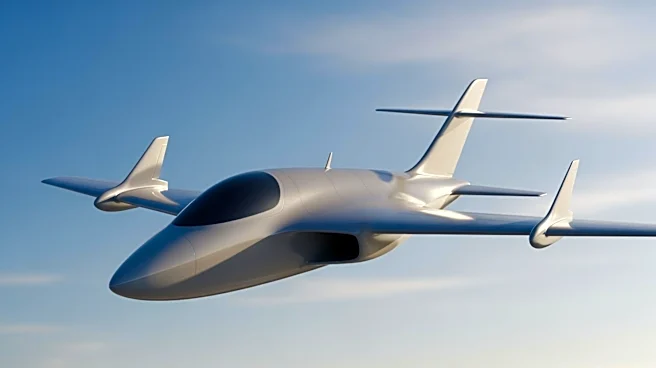







Canard aircraft, distinguished by their unique wing configuration, have been a subject of interest in aerodynamics for over a century. The placement of a small forewing ahead of the main wing offers distinct advantages in terms of lift, control, and stability. This article explores the aerodynamic principles that underpin canard aircraft designs and the innovations that have emerged from this configuration.
Aerodynamic Principles of Canard Designs
The canard configuration alters the traditional
aerodynamic balance of an aircraft. By placing a foreplane ahead of the main wing, canard aircraft can achieve improved lift distribution and control. The foreplane contributes to the overall lift, allowing the main wing to be positioned further aft, which can enhance maneuverability and reduce wing loading.
One of the key benefits of canard designs is their ability to generate positive lift at takeoff, reducing the load on the main wing. This configuration can also improve handling at high angles of attack, such as during takeoff and landing. However, the foreplane's downwash can affect the wing lift distribution, requiring careful design to optimize overall lift and minimize drag.
Innovations in Canard Aircraft Design
The development of canard aircraft has been marked by several innovative approaches to overcoming aerodynamic challenges. Early canard designs faced issues with stability and control, but advancements in technology have allowed engineers to refine these configurations. The introduction of computer-aided design and fly-by-wire systems has enabled precise control of canard surfaces, enhancing stability and maneuverability.
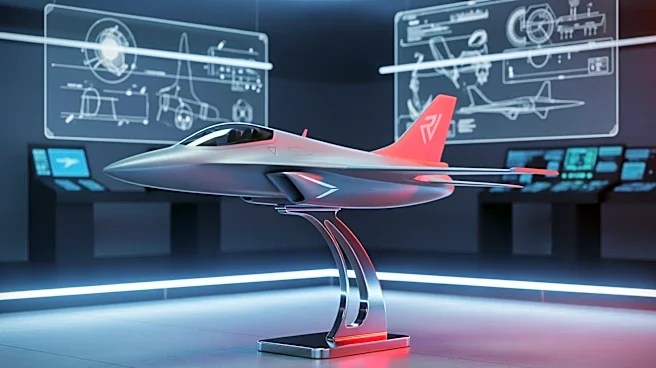
Modern canard aircraft often incorporate advanced flight control systems that use the pitch control function of the canard foreplane to create artificial stability. This allows for intentional destabilization in some combat aircraft, making them more maneuverable. The use of canard surfaces in conjunction with delta wings has also proven effective in supersonic flight, offering benefits in both transonic and low-speed flight.
Future Directions in Canard Aerodynamics
As aerospace technology continues to advance, canard configurations are likely to see further innovations. The integration of computational fluid dynamics and aeroelastic analysis allows for detailed simulations of canard-wing interactions, providing engineers with the tools to optimize future designs. These advancements may lead to even greater improvements in lift-to-drag ratios and overall performance.
The potential for canard designs to enhance aircraft agility and efficiency makes them a promising area of research and development. As new materials and technologies become available, canard configurations may offer novel solutions to the challenges of modern aerodynamics, paving the way for the next generation of aircraft.