



Xerography, the process of dry photocopying, was a groundbreaking invention by Chester Carlson that transformed the way documents are reproduced. Invented in 1938, xerography replaced wet copying methods and became the foundation for modern photocopiers. This article explores the technological significance of xerography and how it revolutionized document reproduction.
The Birth of Xerography
Chester Carlson's journey to inventing xerography began with his frustration over
existing copying methods. As a patent clerk, Carlson needed a convenient way to duplicate documents, but the available options were either costly or inefficient. This led him to experiment with electrophotography, a process that would eventually be known as xerography.
Carlson's early experiments were conducted in his apartment kitchen, where he used a zinc plate coated with sulfur and a glass slide with the words "10-22-38 ASTORIA" written on it. By exposing the slide to light and transferring the image to wax paper, Carlson created the first xerographic copy. This dry copying method was revolutionary, as it eliminated the need for wet chemicals and special papers, making document reproduction more accessible and efficient.
Technological Advancements
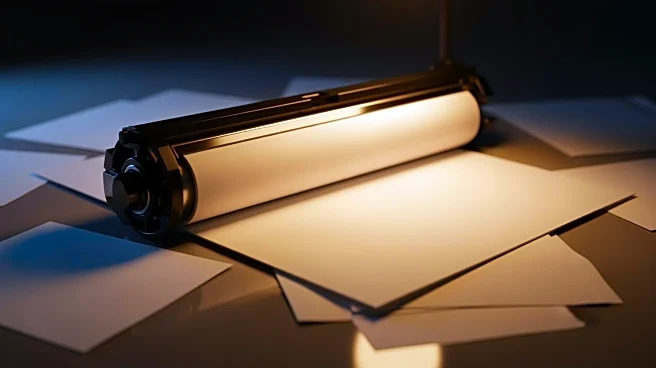
The invention of xerography marked a significant advancement in document reproduction technology. Unlike previous methods that required creating a master copy, xerography allowed for direct copying of existing documents onto plain paper. This process involved charging a photoconductive drum, exposing it to light, and transferring toner to paper, resulting in a clear and accurate copy.
Xerography's impact was profound, leading to the development of the Xerox 914, the first successful commercial plain paper copier. Introduced in 1959, the Xerox 914 revolutionized office environments by providing a fast and economical way to reproduce documents. Its success paved the way for further innovations in printing technology, including laser and digital printers.
Legacy and Influence
Chester Carlson's invention of xerography had a lasting impact on the document-copying industry. It not only transformed office practices but also influenced other fields, such as publishing and graphic design. The ability to quickly and accurately reproduce documents became essential in various sectors, driving efficiency and productivity.
Carlson's legacy extends beyond his technical achievements. His dedication to innovation and philanthropy left a lasting mark on society. He donated significant portions of his wealth to charitable causes and supported research in parapsychology. Today, xerography remains a fundamental technology in document reproduction, and Carlson's contributions continue to be celebrated.