



For aquarium enthusiasts, maintaining a consistent feeding schedule for their fish can be challenging, especially when away from home. Automatic fish feeders offer a convenient solution, ensuring that fish receive regular meals even in the owner's absence. This article explores the benefits and limitations of using automatic fish feeders in aquariums, highlighting their role in maintaining fish health and convenience for owners.
Benefits of Automatic Fish Feeders
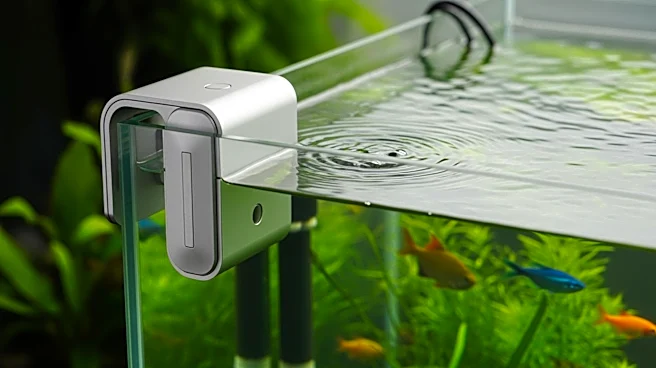
Automatic fish feeders
are designed to dispense food at scheduled intervals, making them an ideal solution for aquarists who travel frequently or have busy schedules. These devices ensure that fish are fed consistently, which is crucial for their health and well-being. By providing small portions of food at regular times, automatic feeders help prevent overfeeding, a common issue that can lead to poor water quality and health problems in fish.
In addition to convenience, automatic feeders can be beneficial for fish with specific dietary needs, such as diabetic fish. The precise control over feeding times and portions allows for tailored feeding schedules that support the health of these fish. Moreover, the ability to dispense a variety of food types, including flakes and pellets, makes it easier to provide a balanced diet for diverse fish communities.
Limitations and Considerations
While automatic fish feeders offer numerous advantages, they also come with certain limitations. One of the primary concerns is the potential for moisture to enter the food hopper, leading to clumping and malfunction of the feeder. This issue can be exacerbated by the proximity of the feeder to the water, which can introduce humidity and moisture.
Another consideration is the potential for fish to become accustomed to the timing and location of food release, which can lead to feeding frenzies and splashing. This behavior can result in food being scattered and wasted, as well as increased stress for the fish. Additionally, most automatic feeders are not suitable for dispensing frozen or live food, limiting their use for certain types of fish.
Ensuring Effective Use
To maximize the benefits of automatic fish feeders, it is important for aquarists to select a feeder that suits their specific needs and to maintain it properly. Regular cleaning and ensuring that the food remains dry are essential for the feeder's proper functioning. Additionally, aquarists should monitor their fish's behavior and adjust feeding schedules as needed to prevent overfeeding or underfeeding.
In conclusion, automatic fish feeders provide a practical solution for maintaining a consistent feeding schedule in aquariums. While they offer significant benefits in terms of convenience and fish health, it is important for owners to be aware of their limitations and to take steps to ensure their effective use.