





Thyme, a member of the mint family Lamiaceae, is a genus of aromatic plants known for their culinary and medicinal uses. With about 350 species, thyme is native to the Mediterranean region and is widely cultivated for its fragrant leaves. This article explores the botanical characteristics of thyme, its cultivation, and its role in horticulture.
Botanical Features
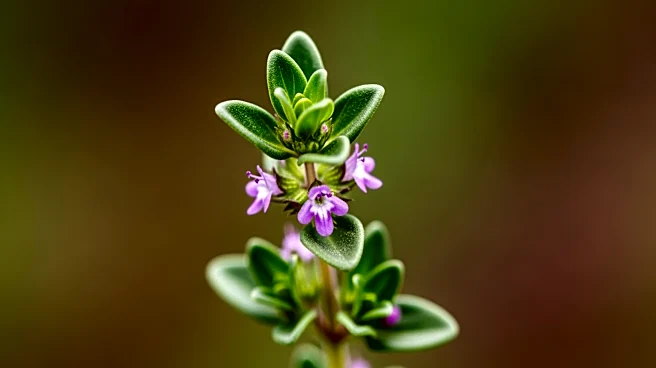
Thyme plants are typically small, aromatic perennials that can grow up to 40 centimeters tall. The stems
are often narrow or wiry, supporting small, evergreen leaves arranged in opposite pairs. These leaves are oval, entire, and usually aromatic, measuring between 4 to 20 millimeters in length. The plant's flowers are dense terminal heads with an uneven calyx, featuring yellow, white, or purple hues.
The genus Thymus is characterized by its aromatic properties, largely due to the presence of essential oils such as thymol and carvacrol. These compounds contribute to thyme's distinctive scent and flavor, making it a popular choice for culinary and medicinal applications. The plant's ability to thrive in various environments, coupled with its aromatic qualities, has made it a staple in gardens and kitchens alike.
Cultivation Practices
Thyme is best cultivated in hot, sunny locations with well-drained soil. It is generally planted in the spring and grows as a perennial, tolerating drought conditions well. The plant can be propagated by seed, cuttings, or dividing rooted sections, making it relatively easy to cultivate.
Pruning thyme after flowering helps prevent the plant from becoming woody, ensuring a healthy and productive growth cycle. This practice is essential for maintaining the plant's vigor and encouraging the production of aromatic leaves. Thyme's resilience and adaptability make it a popular choice for gardeners looking to add a fragrant and functional plant to their landscape.
Horticultural Significance
In addition to its culinary and medicinal uses, thyme is valued for its ornamental qualities. The plant's small, aromatic leaves and colorful flowers make it an attractive addition to gardens and landscapes. Thyme is often used as groundcover, providing a low-maintenance and visually appealing option for gardeners.
Numerous cultivars and hybrids have been developed for ornamental purposes, each offering unique leaf shapes, colors, and essential oil compositions. These variations allow gardeners to select thyme plants that best suit their aesthetic and functional needs. The plant's versatility and beauty have cemented its place as a beloved addition to gardens worldwide.
Thyme's botanical characteristics and cultivation practices highlight its importance in both horticulture and culinary traditions. Its aromatic properties, ease of cultivation, and ornamental appeal make it a valuable plant for gardeners and cooks alike, ensuring its continued popularity and use.