



Clothing is more than just a practical necessity; it is a powerful symbol of social and cultural identity. Throughout history, clothing has been used to convey status, express individuality, and reflect societal norms. This article delves into the social and cultural significance of clothing, exploring how it has shaped and been shaped by human societies.
Clothing and Social Status
From ancient times to the present day, clothing has been a marker of social status. In many cultures,
specific garments or fabrics were reserved for the elite, serving as a visual representation of wealth and power. For example, in ancient Rome, only senators could wear garments dyed with Tyrian purple, a color associated with royalty and prestige.
During the Byzantine Empire, clothing became even more closely tied to social hierarchy. The use of luxurious fabrics like silk and elaborate designs signified one's position within the social order. This trend continued into the early modern period, with sumptuary laws regulating what people could wear based on their social class.
Cultural Identity and Expression
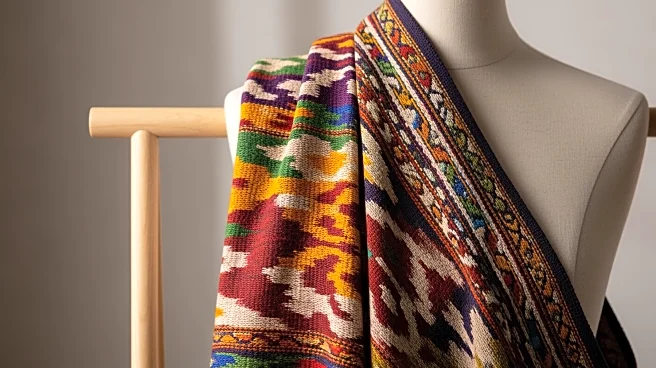
Clothing is also a means of expressing cultural identity and individuality. Traditional garments, such as the Indian sari or the Scottish kilt, are deeply rooted in cultural heritage and are often worn during special occasions or ceremonies. These garments serve as a connection to one's cultural roots and a way to celebrate and preserve cultural traditions.
In addition to cultural identity, clothing allows individuals to express their personal style and preferences. Fashion trends often reflect broader cultural movements and societal changes, with clothing serving as a canvas for self-expression. From the flamboyant styles of the 1960s to the minimalist designs of the 1990s, fashion has continually evolved to reflect the values and attitudes of the time.
Clothing and Social Norms
Clothing is also influenced by social norms and expectations. In many societies, modesty and decency are important considerations, with specific garments required to cover certain parts of the body. These norms can vary widely between cultures and have evolved over time, reflecting changes in societal attitudes and values.
In some cases, clothing has been used as a form of protest or social commentary. The adoption of certain styles or garments can challenge traditional norms and push for social change. For example, the women's liberation movement of the 1960s and 1970s saw women rejecting restrictive clothing in favor of more comfortable and practical attire.
Clothing is a multifaceted symbol that reflects and shapes social and cultural dynamics. Its significance extends beyond mere functionality, serving as a powerful tool for communication and expression in human societies.