






The introduction of the safety razor revolutionized personal grooming, transforming shaving from a skilled task performed by barbers into a daily routine accessible to the masses. This article explores the profound impact safety razors have had on shaving culture, examining how they have shaped grooming habits and influenced societal norms.
Democratizing Shaving: From Barbershops to Bathrooms
Before the advent of safety razors, shaving was a skill-intensive process typically performed by professional
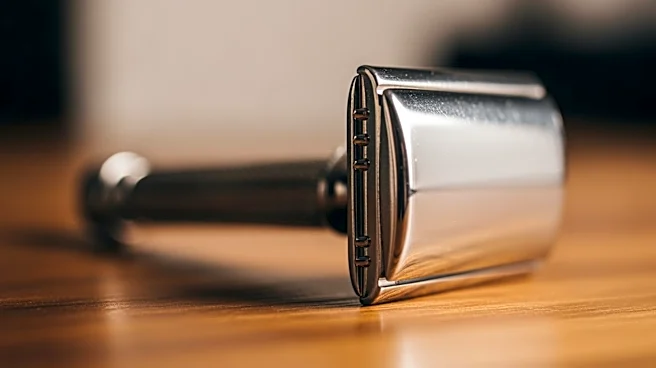
barbers. The introduction of safety razors in the late 19th and early 20th centuries democratized shaving, allowing individuals to perform this task at home with relative ease. The protective guard of the safety razor reduced the risk of cuts and nicks, making it accessible to those without professional training.
King Camp Gillette's invention of the double-edge safety razor in the early 1900s further popularized self-shaving. By eliminating the need for stropping and honing, Gillette's disposable blades made shaving more convenient and hygienic. The widespread adoption of safety razors marked a shift in grooming culture, as men began to take personal responsibility for their appearance, reducing their reliance on barbershops.
Shaving as a Daily Ritual: The Influence of War and Marketing
The role of safety razors in shaping shaving culture was further cemented during World War I. The U.S. Army issued Gillette shaving kits to servicemen, introducing millions of soldiers to the convenience of self-shaving. Upon returning home, these men continued to use safety razors, establishing shaving as a daily ritual for many.
The marketing strategies of razor companies also played a significant role in promoting the safety razor as an essential grooming tool. Advertisements emphasized the benefits of a clean-shaven appearance, associating it with professionalism and modernity. This messaging resonated with consumers, leading to a cultural shift where daily shaving became a norm for men in many parts of the world.
The Evolution of Shaving Preferences: From Single Blades to Multi-Blades
The evolution of safety razors has also influenced consumer preferences and expectations. The introduction of cartridge and disposable razors in the 1970s offered a new level of convenience, with blades embedded in plastic for easy handling. Multi-blade cartridges, such as Gillette's Mach3 and Schick's Quattro, promised a closer shave, further shaping consumer expectations.
Despite the popularity of multi-blade razors, there has been a resurgence of interest in traditional double-edge razors in recent years. This trend reflects a growing appreciation for sustainability and cost-effectiveness, as well as a desire for a more personalized shaving experience. The diversity of razor options available today allows individuals to choose a shaving method that aligns with their values and preferences.
The Cultural Significance of Shaving: Beyond Personal Grooming
Shaving has long been associated with cultural and social significance, and the safety razor has played a key role in shaping these perceptions. A clean-shaven appearance is often linked to notions of professionalism, discipline, and respectability. In many cultures, shaving is seen as a rite of passage, marking the transition from adolescence to adulthood.
The safety razor has also influenced gender norms and expectations. While initially marketed to men, the convenience and accessibility of safety razors have made them popular among women for shaving legs and underarms. This shift has contributed to changing beauty standards and grooming practices for women, highlighting the broader cultural impact of the safety razor.
In conclusion, the safety razor has had a lasting impact on shaving culture, transforming personal grooming habits and influencing societal norms. From its role in democratizing shaving to its influence on consumer preferences and cultural perceptions, the safety razor remains a significant innovation in the world of personal care.