

The Bound Angle Pose, also known as Baddha Konasana, is a seated yoga posture that is widely practiced for its numerous benefits. This pose involves sitting with the soles of the feet together and allowing the knees to fall outward, resembling the wings of a butterfly. Often referred to as the Butterfly Pose, it is a staple in many yoga routines due to its simplicity and effectiveness.
Understanding the Bound Angle Pose
The Bound Angle Pose is a straightforward yet impactful yoga posture.
To perform this pose, one must sit on the floor with the legs extended. The feet are then brought together, with the soles touching, and the knees are allowed to drop to the sides. This position creates a diamond shape with the legs, and the hands can be placed on the feet or ankles to deepen the stretch. The pose is often held for several breaths, allowing the practitioner to relax and focus on their breathing.
This pose is particularly beneficial for opening the hips and groin area. It encourages flexibility in the inner thighs and can help alleviate tension in the lower back. Practitioners often find that regular practice of the Bound Angle Pose leads to improved posture and a greater sense of balance.
Benefits of the Bound Angle Pose
The Bound Angle Pose offers a range of benefits that make it a popular choice among yoga enthusiasts. One of the primary advantages is its ability to open the hips, which can be particularly beneficial for those who spend long hours sitting. By stretching the inner thighs and groin, this pose helps to release tension and improve circulation in the lower body.
Additionally, the Bound Angle Pose is known for its calming effects. As practitioners focus on their breath while holding the pose, they often experience a sense of relaxation and mental clarity. This makes it an excellent choice for stress relief and meditation practices.
Incorporating the Bound Angle Pose into Your Routine
Integrating the Bound Angle Pose into a regular yoga routine is simple and can be highly rewarding. It can be performed at the beginning of a session to warm up the hips or at the end to cool down and relax. Many practitioners also use it as a transitional pose between more challenging postures.
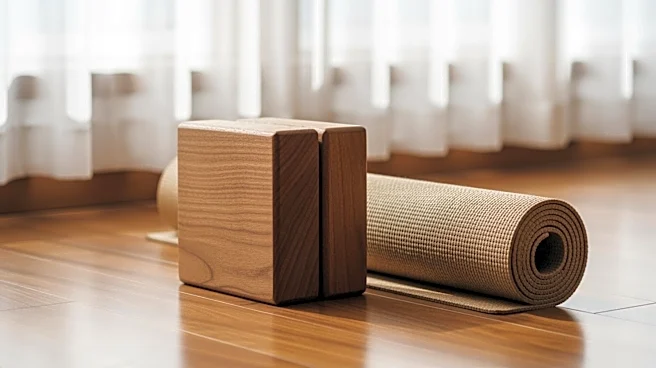
For those new to yoga, the Bound Angle Pose is an accessible starting point. It requires minimal flexibility and can be modified with props such as cushions or blocks to support the knees. As flexibility improves, the pose can be deepened by gently pressing the knees toward the floor.
Overall, the Bound Angle Pose is a versatile and beneficial addition to any yoga practice, offering both physical and mental benefits that enhance overall well-being.