
The development of wind power in the United States has been significantly influenced by various policies and incentives. This article examines the key policies and incentives that have shaped the growth
of wind power, highlighting their impact on the industry.
The Role of Tax Credits
Tax credits have played a crucial role in the development of wind power in the United States. The early wind projects in the 1980s were driven by investment tax credits, which encouraged the installation of wind turbines. However, these credits expired in 1986, leading to a focus on improving turbine reliability and efficiency.
The introduction of the production tax credit (PTC) in the 1990s marked a significant shift in policy. The PTC incentivized electricity output rather than installation, encouraging technological advancements and increasing the competitiveness of wind energy. The PTC has been extended multiple times, providing a stable financial incentive for developers and investors.
State-Level Policies and Renewable Portfolio Standards
State-level policies have also been instrumental in promoting wind power development. Many states have implemented renewable portfolio standards (RPS), which require a certain percentage of electricity to be generated from renewable sources. These standards have created a market for wind energy, encouraging both producers and consumers to invest in renewable technologies.
In addition to RPS, states have offered various incentives, such as tax credits and grants, to support wind power development. These incentives have made wind energy more affordable and competitive, driving its growth across the country.
Offshore Wind and Federal Support
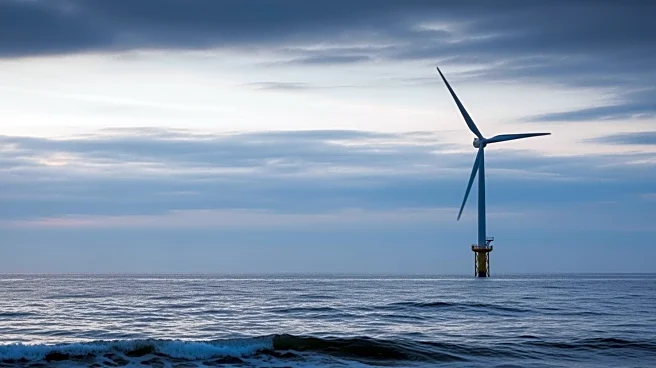
Offshore wind development in the United States is still in its early stages, but federal support is helping to drive its growth. The Energy Policy Act of 2005 provided tax credits and other incentives for the production of wind power, authorizing the development of a regulatory framework for environmental reviews of proposed offshore wind projects.
The Biden administration has set ambitious targets for offshore wind, aiming to install 30 GW by 2030. This goal is part of broader efforts to combat climate change and promote clean energy. As offshore wind projects continue to develop, federal support and incentives will play a crucial role in their success.
Overall, the combination of federal and state policies and incentives has been instrumental in the growth of wind power in the United States. These measures have created a favorable environment for investment and development, positioning wind energy as a key component of the country's renewable energy strategy.