




The LS engine series from General Motors has become a cornerstone in the world of engine swaps, particularly for those looking to enhance performance. Since its introduction in 1997 with the LS1 engine, the LS series has gained a reputation for its compact size and lightweight design, making it a popular choice for car enthusiasts. This article delves into the history of the LS engine and its significant impact on the automotive world.
The Introduction of the LS Engine
The LS engine
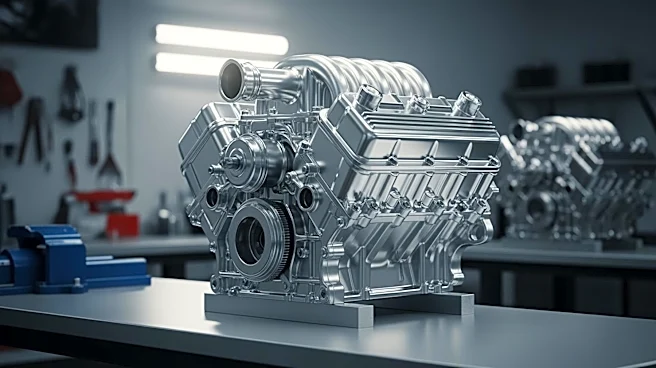
series was first introduced by General Motors in 1997 with the LS1 engine. This marked the beginning of a new era in engine design, characterized by a focus on compactness and efficiency. The LS1 quickly gained popularity due to its ability to deliver high performance while maintaining a relatively small footprint. This made it an ideal candidate for engine swaps, where replacing an existing engine with a more powerful one is the goal.
The LS engine's design was revolutionary at the time, offering a V8 configuration that was both lightweight and powerful. This combination of features made it a favorite among car enthusiasts who were looking to boost the performance of their vehicles without adding excessive weight or complexity.
The Popularity of LS Swaps
As the LS engine series gained traction, the concept of the LS swap became increasingly popular. An LS swap involves replacing an existing engine in a vehicle with an LS engine, often to achieve better performance. The LS engine's compact size and light weight make it an attractive option for a wide range of vehicles, from classic cars to modern sports cars.
The aftermarket support for LS swaps has grown significantly over the years, with numerous companies offering parts and kits specifically designed for these conversions. This widespread support has made it easier than ever for car enthusiasts to undertake an LS swap, further cementing the engine's status as a go-to choice for performance upgrades.
The Impact on the Automotive World
The LS engine series has had a profound impact on the automotive world, particularly in the realm of performance enhancements. Its introduction has led to a surge in engine swaps, as more and more car owners seek to improve their vehicles' power and efficiency. The LS engine's versatility and performance capabilities have made it a staple in the industry, influencing the design and development of future engines.
In conclusion, the LS engine series from General Motors has revolutionized the concept of engine swaps, offering a powerful yet compact solution for performance enthusiasts. Its impact on the automotive world is undeniable, and its popularity shows no signs of waning. As the demand for high-performance engines continues to grow, the LS series is likely to remain a key player in the industry for years to come.