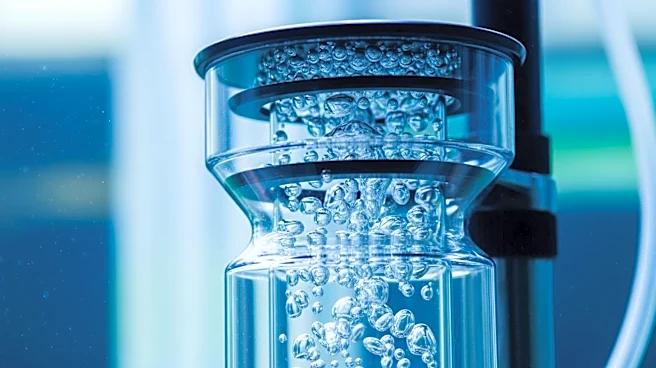








Protein skimmers, also known as foam fractionators, are essential devices used in various water treatment applications. They are particularly popular in aquariums and aquaculture facilities for their ability to remove organic compounds from water. By utilizing air bubbles to create foam, protein skimmers effectively separate and remove unwanted substances, ensuring cleaner water. This article delves into the function of protein skimmers, explaining
how they work and their significance in maintaining water quality.
The Science Behind Protein Skimming
Protein skimmers operate on the principle of using air bubbles to remove organic compounds from water. These compounds, which include proteins and amino acids, are often found in food particles and fish waste. The process relies on the polarity of the proteins themselves. Due to their intrinsic charge, proteins in water are either attracted to or repelled by the air-water interface. This characteristic allows protein skimmers to effectively separate hydrophobic molecules, such as fats and oils, from hydrophilic ones, like salts and sugars.
The effectiveness of a protein skimmer largely depends on the size of the bubbles it generates. Smaller bubbles provide a larger surface area for the organic molecules to attach to, making the skimming process more efficient. As these bubbles rise through the water column, they collect organic molecules on their surface. Once the bubbles reach the top of the skimmer, they form a foam that carries the organic compounds to a collection cup, removing them from the water system.
Applications and Benefits of Protein Skimmers
Protein skimmers are widely used in both commercial and home aquarium settings. In commercial applications, they are essential for municipal water treatment facilities, public aquariums, and aquaculture operations. These devices help maintain water quality by removing organic waste, which can otherwise lead to poor water conditions and harm aquatic life.
In home aquariums, protein skimmers are particularly beneficial for saltwater setups, where maintaining water quality is crucial for the health of marine organisms. By removing organic waste, skimmers reduce the burden on other filtration systems, making them an integral part of a comprehensive water treatment strategy. Additionally, protein skimmers are used to harvest algae and phytoplankton, ensuring their viability for culturing or commercial sale.
Limitations and Alternatives
While protein skimmers are effective at removing organic compounds, they do not eliminate all harmful substances. For instance, they do not remove ammonia, nitrite, nitrate, or phosphate, which are common in aquarium environments. As a result, alternative filtration methods, such as algae scrubbers, have been developed to address these limitations. Algae scrubbers leave food particles in the water for corals and small fish to consume while removing noxious compounds that protein skimmers cannot.
Despite these limitations, protein skimmers remain a valuable tool in water treatment. Their ability to efficiently remove organic waste makes them indispensable in maintaining healthy aquatic environments. By understanding their function and applications, aquarists and water treatment professionals can better utilize protein skimmers to achieve optimal water quality.