





Audiobooks have come a long way since their inception in the late 19th century. Initially envisioned as a tool for the visually impaired, audiobooks have evolved into a popular medium for all kinds of listeners. This article explores the historical development of audiobooks, tracing their journey from early phonograph recordings to the digital downloads we know today.
Early Beginnings and Technological Innovations
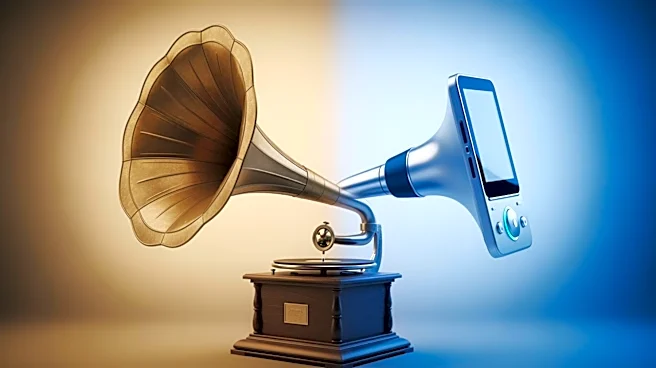
The concept of audiobooks can be traced back to the invention of the phonograph by
Thomas Edison in 1877. Edison imagined "phonographic books" that could "speak to blind people without effort on their part." The first recorded words on a phonograph were Edison's recital of "Mary Had a Little Lamb," marking the beginning of recorded literature. However, the technology of the time was limited, with phonograph cylinders only able to hold about four minutes of audio, making them impractical for full-length books.
By the 1930s, technological advancements allowed for longer recordings. Close-grooved records could hold up to 20 minutes of audio, paving the way for the American Foundation for the Blind and the Library of Congress to establish the "Talking Books Program" in 1931. This program aimed to provide reading material for visually impaired veterans and adults, with early recordings including works by Shakespeare and Edgar Allan Poe.
The Rise of Audiobooks in the 20th Century
The 1950s and 60s saw further developments in audiobook technology. Companies like Caedmon Records and Listening Library began producing spoken word recordings, primarily of poetry and plays. Caedmon's first release was a collection of poems by Dylan Thomas, which helped establish the company as a pioneer in the audiobook industry.
The introduction of cassette tapes in the 1970s marked a significant turning point for audiobooks. Cassettes were more portable and could hold more audio than previous formats, making them ideal for longer works. This period also saw the rise of companies like Books on Tape and Recorded Books, which focused on producing unabridged recordings of classic literature. By the 1980s, audiobooks were becoming more mainstream, with major publishers entering the market and the establishment of the Audio Publishers Association in 1986.
The Digital Revolution and Modern Audiobooks
The late 1990s and early 2000s brought about a digital revolution in the audiobook industry. The advent of the internet and digital audio formats allowed for the distribution of audiobooks without the need for physical media. Audible, founded in 1997, was a pioneer in this space, offering digital downloads of audiobooks and developing the first mass-market digital media player.
Digital audiobooks offered several advantages over traditional formats. They were more convenient to store and transport, and listeners could easily download them from online libraries. This shift to digital also allowed for the creation of new content, such as audio-first productions that were not based on existing books.
Today, audiobooks are more popular than ever, with a wide range of genres and formats available to listeners. The rise of smartphones and streaming services has made audiobooks accessible to a broader audience, and the industry continues to grow, with new innovations and content being developed regularly.